Itinerary
What to See in Barcelona in 1 Week
Three days in the city and four train excursions: Montserrat, Girona, Sitges and the Dalí Museum in Figueres
A week is enough to get to know Barcelona well and to venture outside it. The first three days follow the 3-day itinerary; the other four are day trips by train, no car needed: Montserrat mountain, medieval Girona, the coastal town of Sitges and the Dalí Museum in Figueres.
Before you go
- Book the Sagrada Família, Park Güell, Palau de la Música and the Dalí Museum in advance, as they require a timed-entry ticket.
- Buy fast train tickets to Girona and Figueres in advance through Renfe; for Montserrat and Sitges, buying your ticket on the day is fine.
- Leave excursions for weekdays if you can: Montserrat and Sitges get crowded on weekends.
- La Boqueria and Santa Caterina are closed on Sundays, and the Sagrada Família opens at 10:30. Check the closing days for the Dalí Museum.
Day 1
Gaudí, Ciutat Vella and the Sea
The day at a glance
- 9:001. Sagrada Família
- 11:002. La Pedrera (Casa Milà)
- 11:303. Casa Batlló and the Mansana de la Discòrdia
- 13:004. Plaça de Catalunya and La Rambla
- 13:305. Mercat de la Boqueria
- 15:006. Barri Gòtic: Cathedral, Sant Felip Neri and Plaça del Rei
- 16:457. El Born and Santa Maria del Mar
- At sunset8. La Barceloneta and the Seafront
Day 1 · Morning
1. Sagrada Família
From 26 € with audio guide; with towers, 36 €
Carrer de Mallorca, 401
9:00 · 1 h 30 min
Best to book a timed ticket
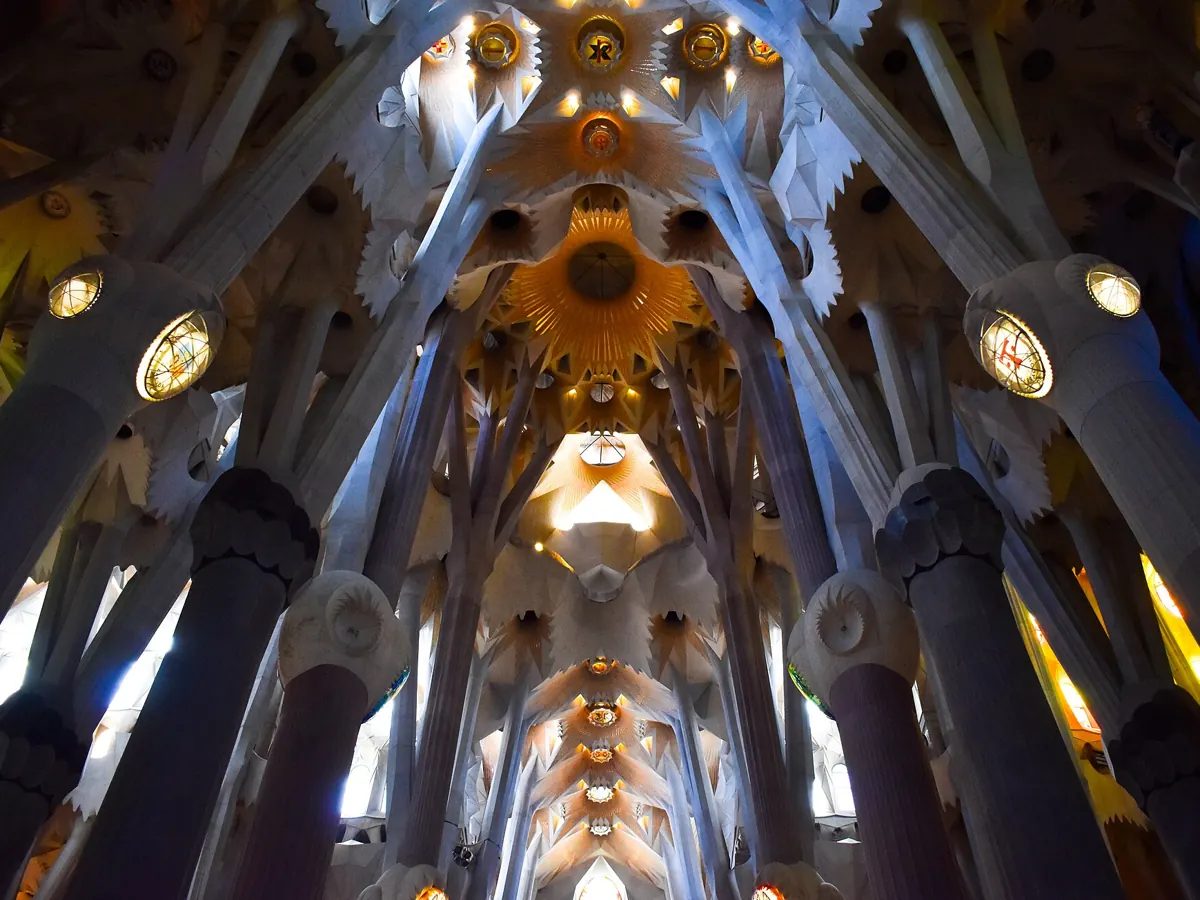
Gaudí's masterpiece, under construction since 1882 and still unfinished. Outside, the Nativity and Passion façades are striking; inside, the forest of columns and the light from the stained glass windows, which shines in blue and green tones first thing in the morning.
Tip: Buy a timed-entry ticket on the official website or from an authorised seller. Going at 9:00 is the best way to see it with fewer crowds. The towers are optional and cost extra.
Next stop: 22 min walk (1.6 km) or metro L5 from Sagrada Família to Diagonal (2 stops)
2. La Pedrera (Casa Milà)
Essential Visit: 29 €
Passeig de Gràcia, 92
11:00 · 15 min outside; 1 h 30 min if you go inside
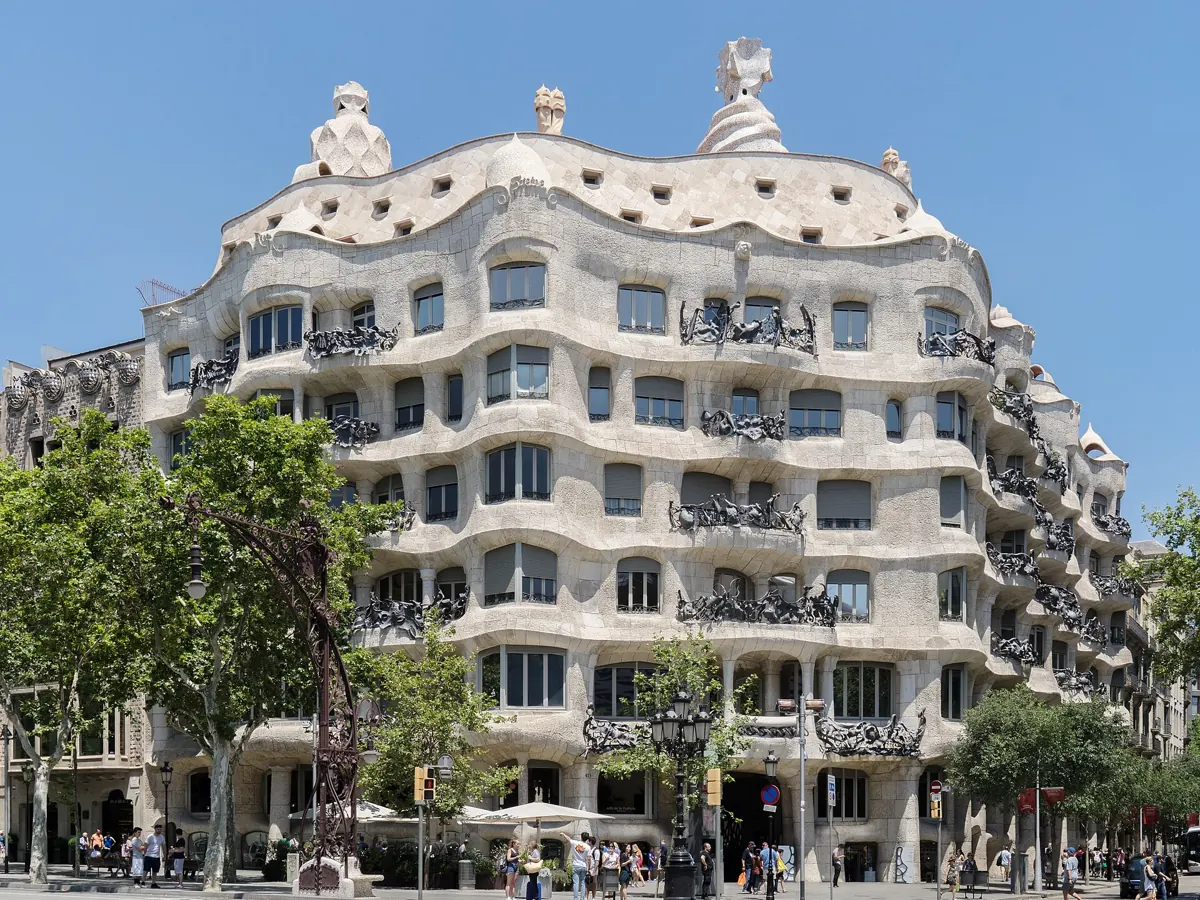
Gaudí's last civil building: a stone façade that ripples like the sea, without a single straight line, and wrought-iron balconies that look like seaweed. Up top, the roof terrace features chimneys shaped like warriors.
Tip: One day is not enough to go inside both of Gaudí's houses on Passeig de Gràcia. If you have to choose, La Pedrera has the most photogenic roof terrace and Casa Batlló has the most spectacular interior. This route suggests going inside Batlló and seeing La Pedrera from the outside.
Next stop: 7 min walk (0.5 km)
3. Casa Batlló and the Mansana de la Discòrdia
From 29 € (varies by day and time)
Passeig de Gràcia, 43
11:30 · 1 h 15 min
Best to book a timed ticket
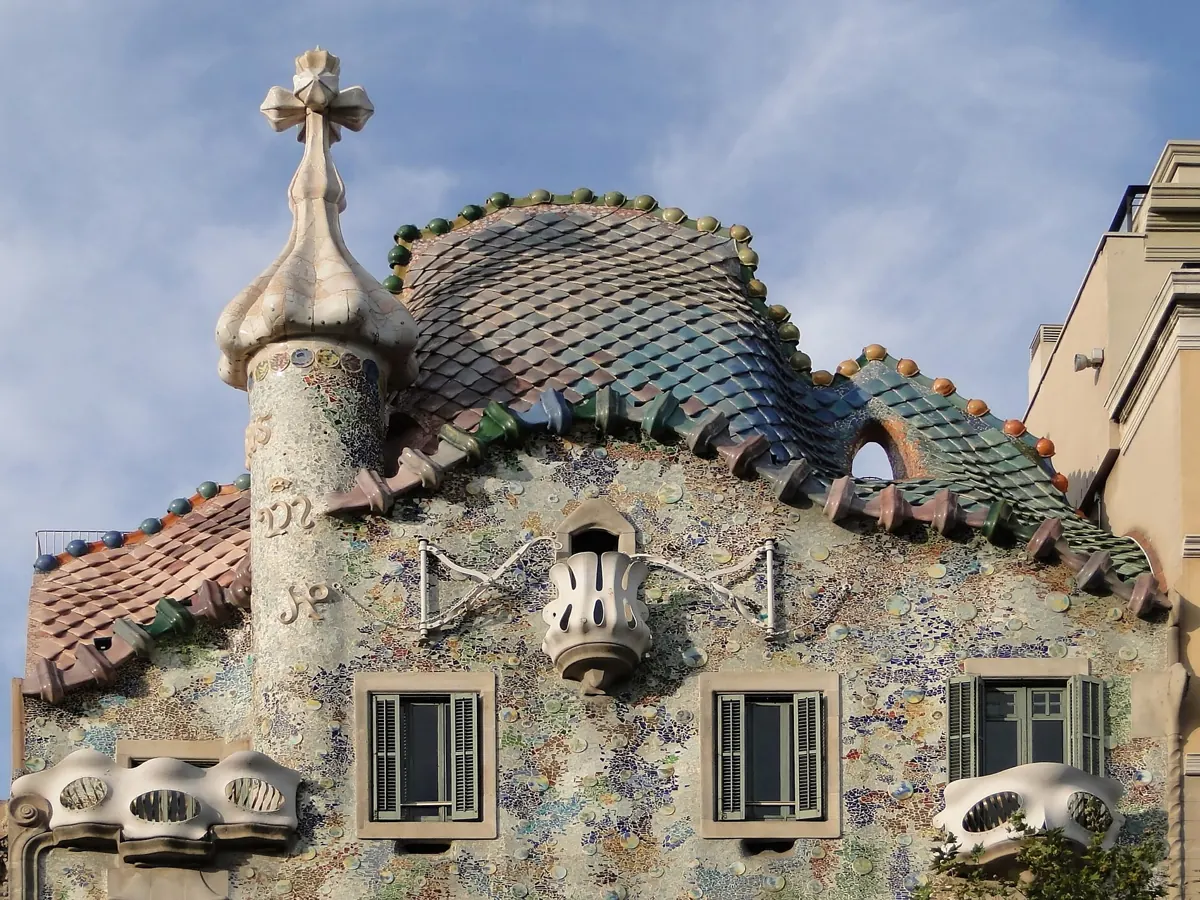
The house of the dragon: a scaly roof, mask-shaped balconies and a trencadís façade that sparkles in the sun. It shares the block with Puig i Cadafalch's Casa Amatller and Domènech i Montaner's Casa Lleó i Morera: the three great names of modernisme, right next door to each other.
Tip: Open every day from 8:30 to 22:30. If you are short on time, skip the interior for now and come back at night: the price and queues are usually lower.
Next stop: 10 min walk (0.8 km)
Day 1 · Midday
4. Plaça de Catalunya and La Rambla
Free
Plaça de Catalunya
13:00 · 30 min
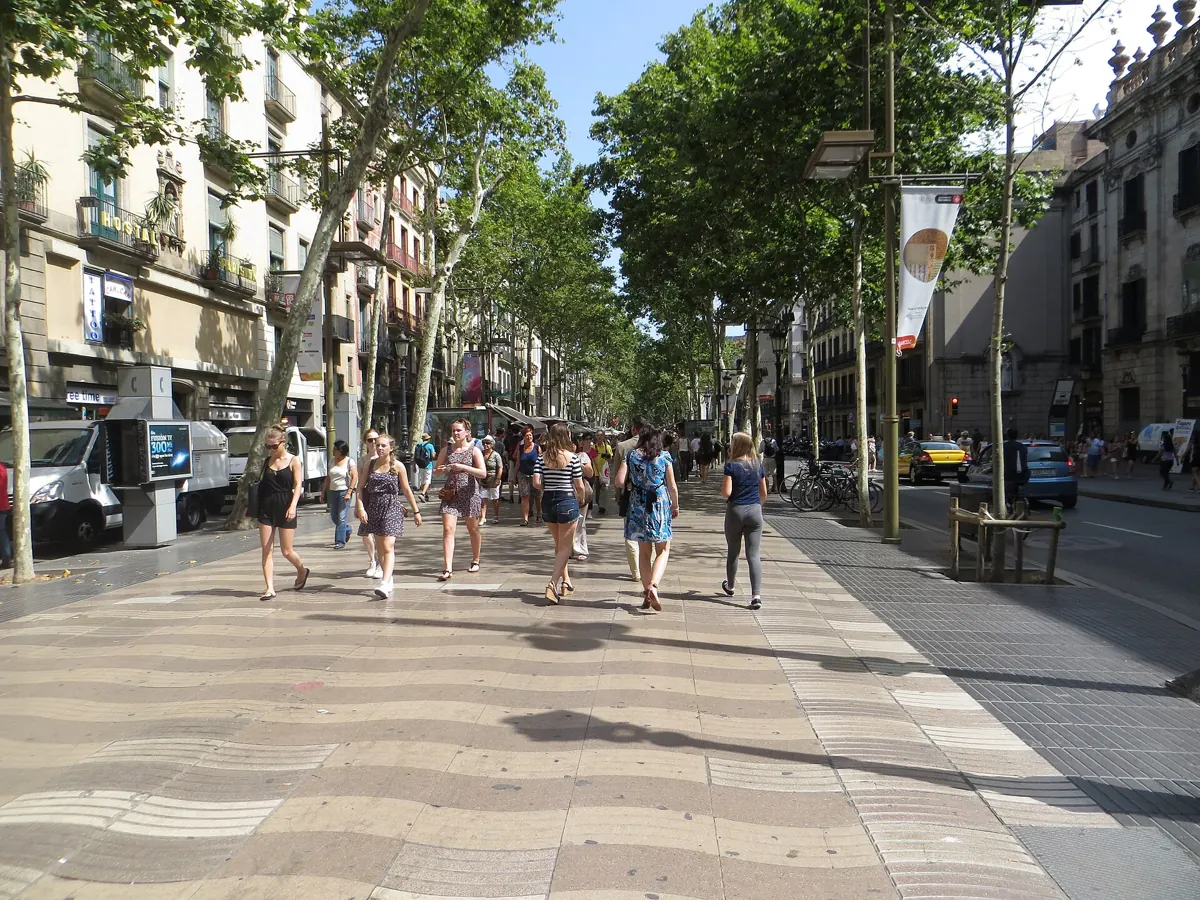
The square is the city's meeting point and the border between the Eixample and Ciutat Vella. From here, La Rambla heads down to the sea past kiosks, old façades and the Gran Teatre del Liceu.
Tip: The terraces on La Rambla itself are expensive and of poor quality: to eat, carry on to the market or head into the side streets.
Next stop: 9 min walk (0.6 km)
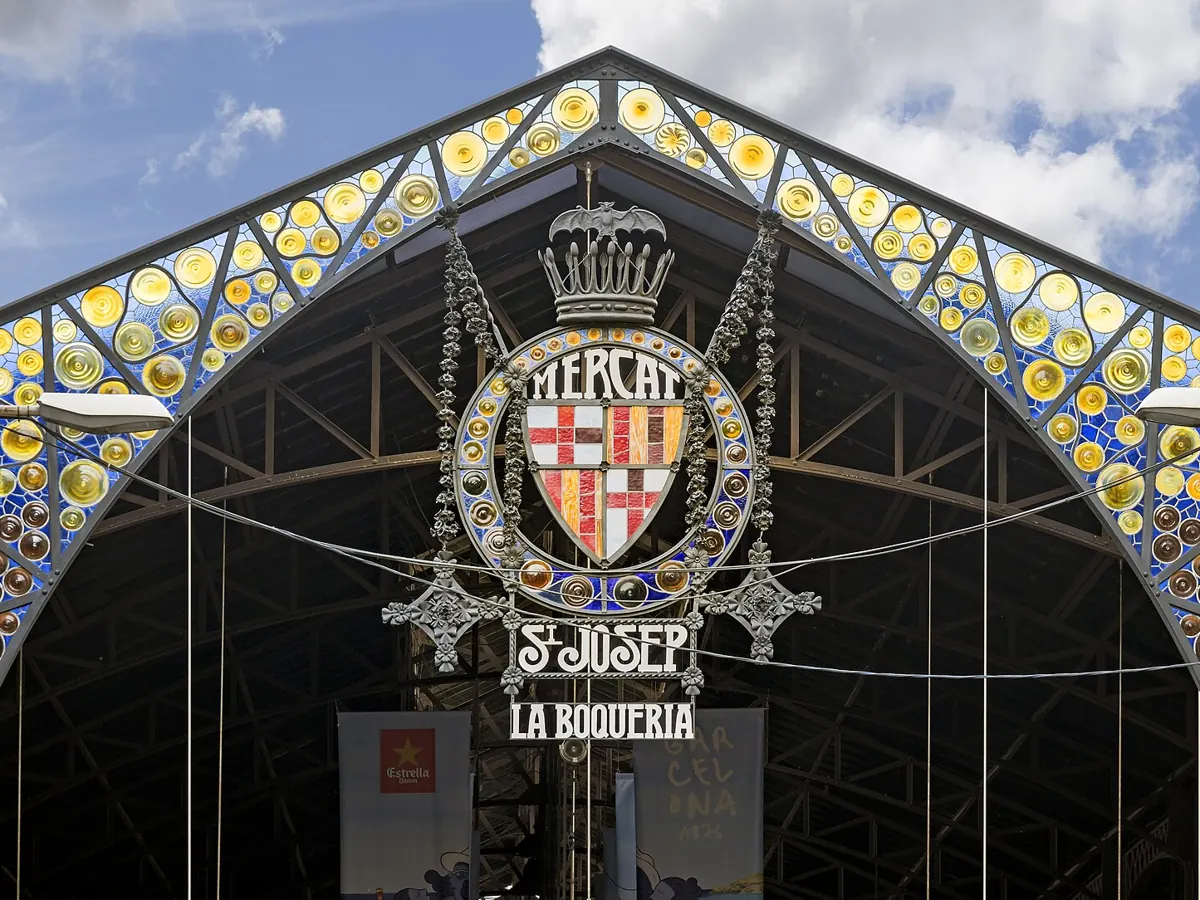
5. Mercat de la Boqueria
Free entry
La Rambla, 91
13:30 · 1 h
Barcelona's most famous market, standing here since the mid-19th century with its iron roof and modernist entrance arch. Fruit, cured meats, fish, and bars where you can stand and eat freshly cooked food.
Tip: Closed on Sundays and public holidays. The stalls at the entrance are the most touristy: the bars inside and at the back are quieter for eating.
Next stop: 10 min walk (0.8 km)
Day 1 · Afternoon
6. Barri Gòtic: Cathedral, Sant Felip Neri and Plaça del Rei
Streets free; Cathedral, paid entry
Pla de la Seu
15:00 · 1 h 30 min
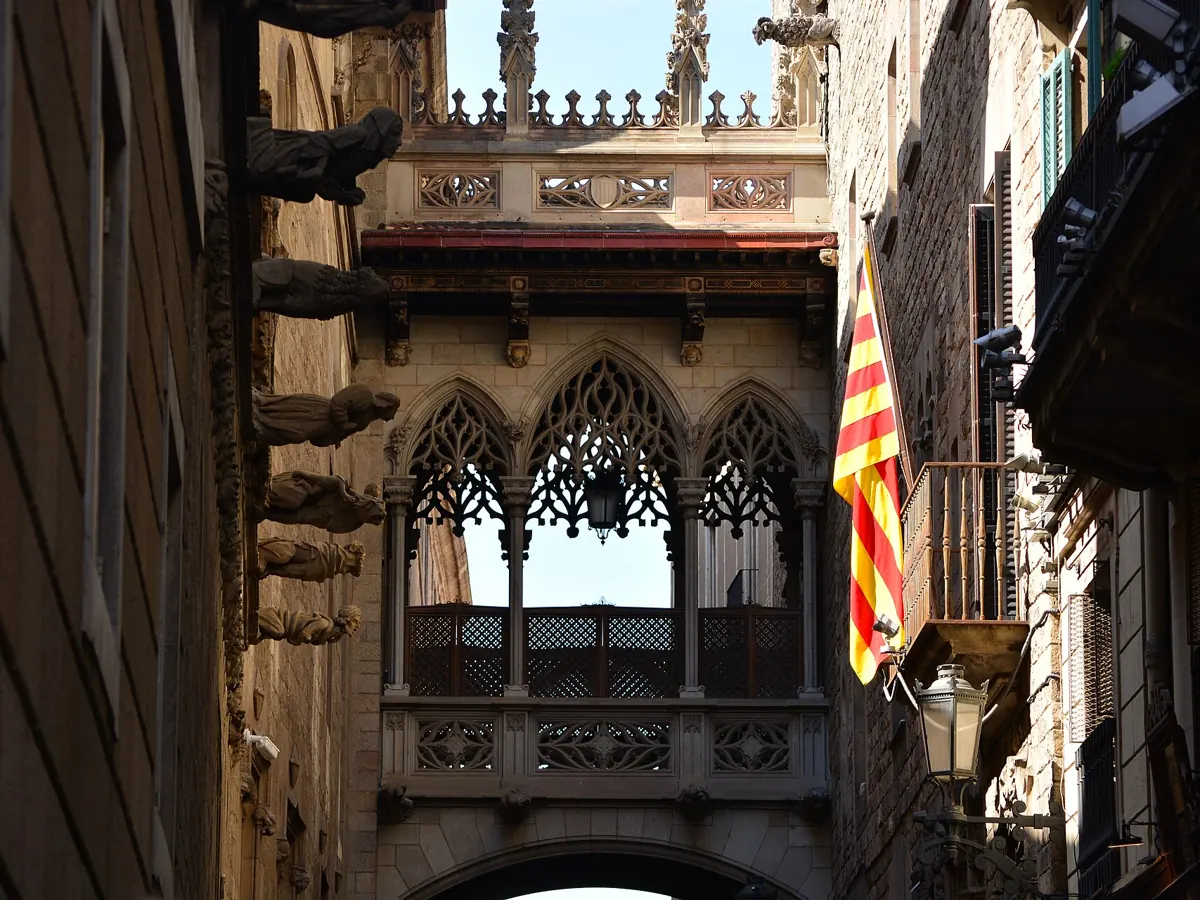
Cobbled alleys built over the ancient Roman Barcino. The Gothic Cathedral has a cloister with thirteen white geese, one for each year of Santa Eulàlia's life. Just steps away, the walls of Plaça de Sant Felip Neri still show shrapnel from a 1938 bombing, and Plaça del Rei was the courtyard of the palace of the Counts of Barcelona.
Tip: Enter via Carrer del Bisbe to see its stone bridge. Visiting the Cathedral requires a ticket during tourist hours; check their website for free entry during worship times.
Next stop: 14 min walk (1.0 km)
7. El Born and Santa Maria del Mar
Church free during worship hours; rooftop tour, paid
Plaça de Santa Maria, 1
16:45 · 1 h
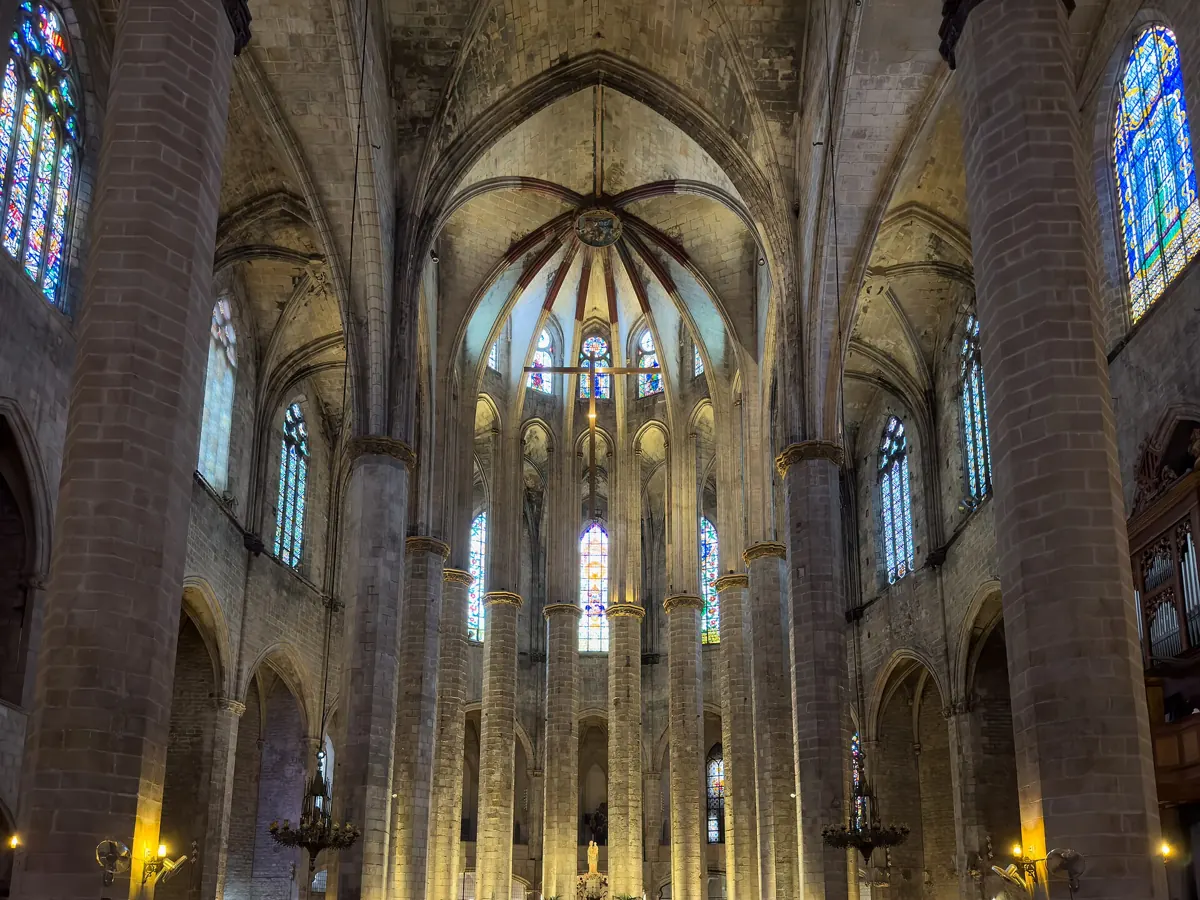
The "cathedral of the sea", built in just over fifty years (1329-1383) through the efforts of the Ribera neighbourhood residents: the purest Catalan Gothic, with towering naves and almost no decoration. Around it, Passeig del Born and streets full of small shops and vermouth bars.
Tip: Late in the afternoon you can enter for free (check times on their website). If you like Picasso, the museum is three minutes away on Carrer de Montcada: entry is free on Thursdays from 16:00 to 19:00 with a booking.
Next stop: 19 min walk (1.4 km)
Day 1 · Sunset and night
8. La Barceloneta and the Seafront
Free
Platja de la Barceloneta
At sunset · As long as you like
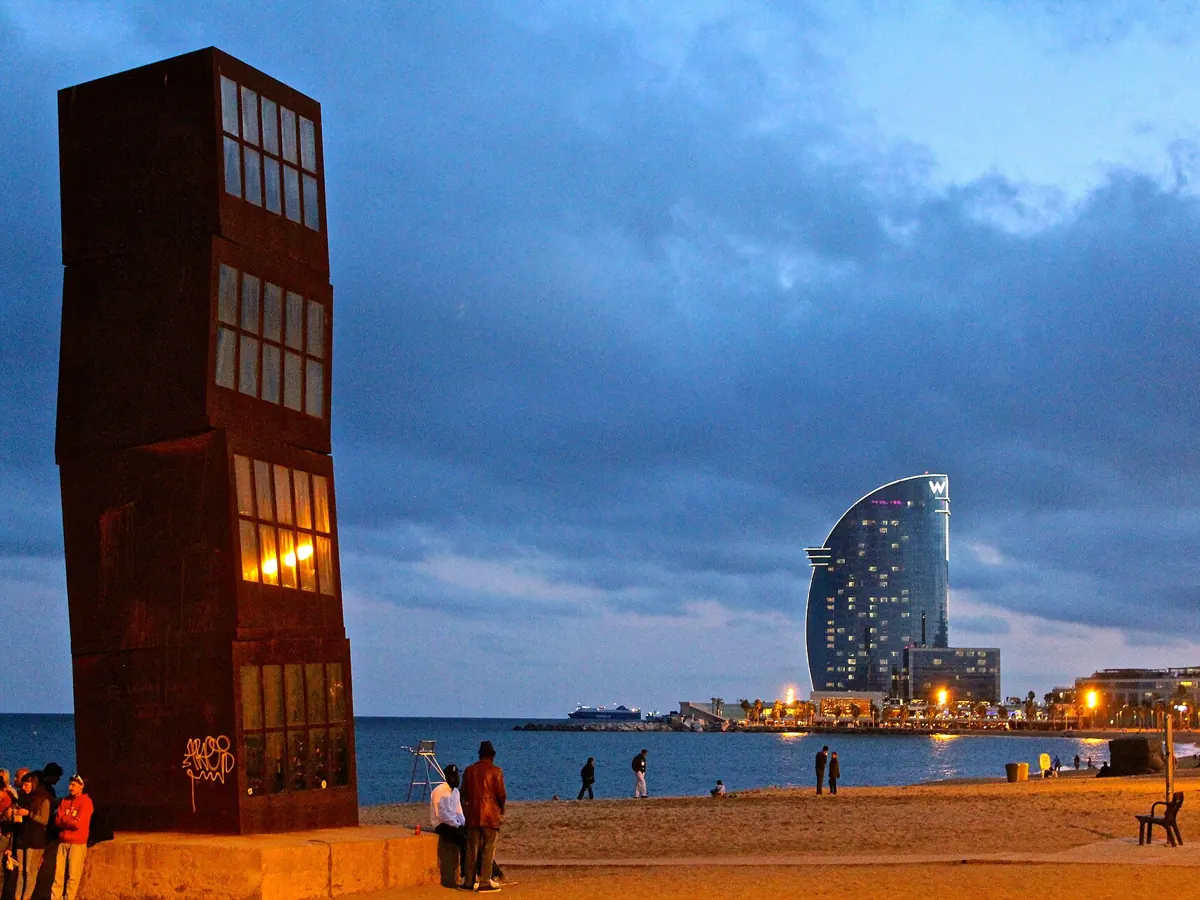
The old fishermen's quarter, laid out in a grid in the 18th century, and the closest beach to the centre. The seafront is the best place to end the day watching the sun set over the port.
Tip: For dinner, the neighbourhood offers traditional rice dishes and tapas in its inner streets; on the beachfront, you are mostly paying for the view.
Day 2
Park Güell, Gràcia and Montjuïc
The most colourful Gaudí in the morning, Gràcia's neighbourhood life at midday, and Montjuïc mountain to end with the city at your feet.
The day at a glance
Day 2 · Morning
1. Park Güell
General: 18 €
Carrer d'Olot, s/n
9:30 · 1 h 30 min
Best to book a timed ticket
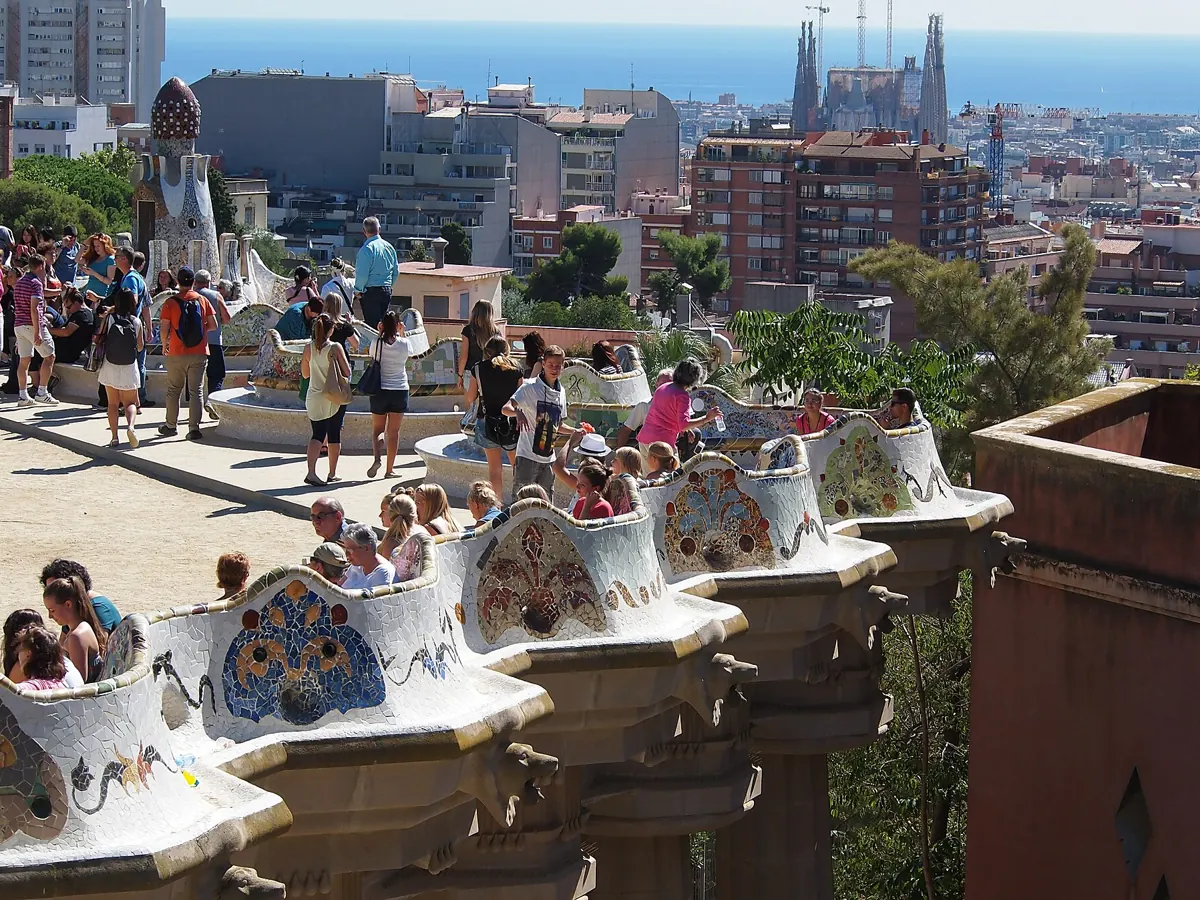
Gaudí designed it as a housing estate for wealthy families and it ended up as a park. The dragon stairway, the hypostyle hall of columns, and the large square with the undulating trencadís bench are among the most photographed spots in Barcelona.
Tip: The monumental zone requires a timed-entry ticket: buy it in advance. First thing in the morning there are fewer people and better light for the views.
Next stop: 25 min walk (1.9 km)
2. Casa Vicens
Self-guided visit with audio guide: 18 €
Carrer de les Carolines, 20-26
11:30 · 1 h
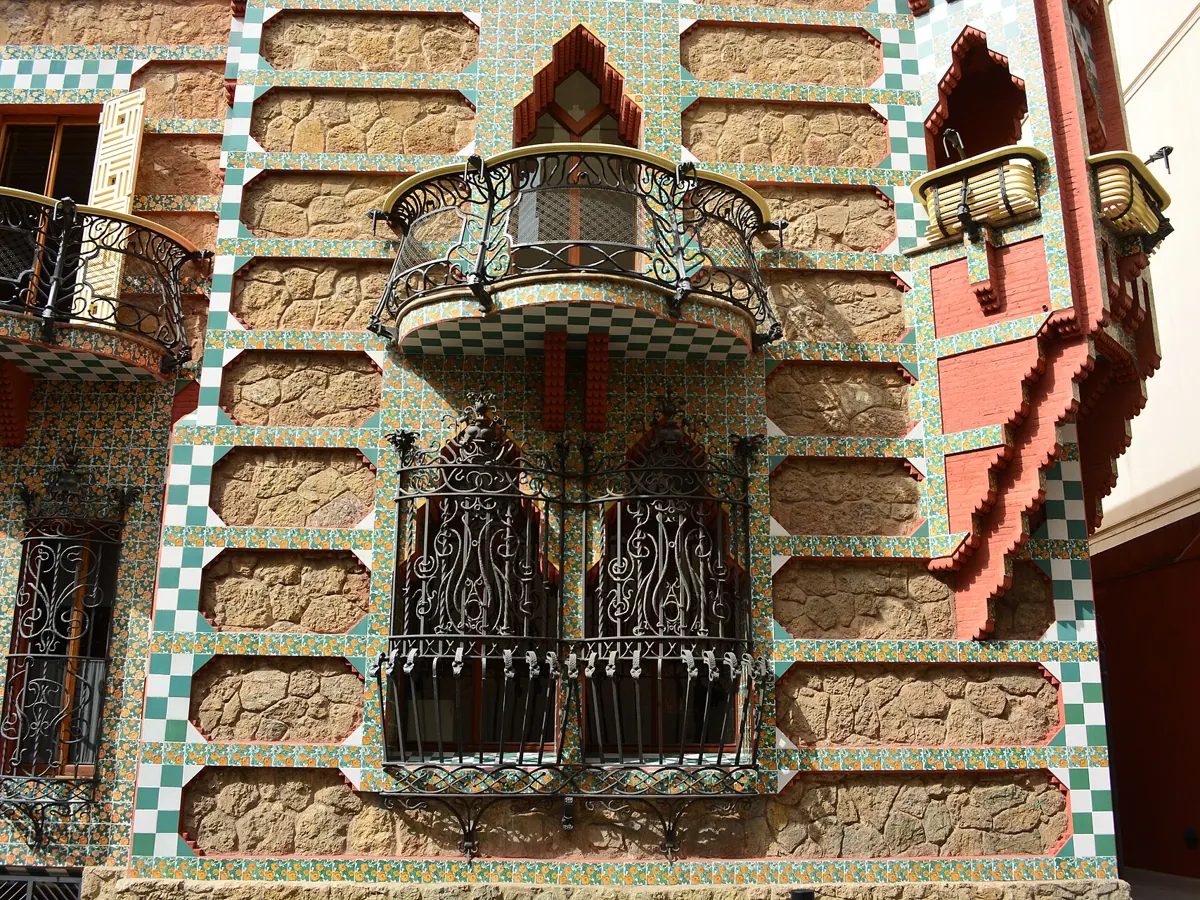
The first house Gaudí built, featuring carnation tiles, brickwork, and oriental touches. It is less known than Casa Batlló or La Pedrera, making for a much quieter visit.
Tip: If you are on a tight budget, the facade alone is worth the detour: it is on the way between Park Güell and the centre of Gràcia.
Next stop: 11 min walk (0.8 km)
Day 2 · Midday
3. Gràcia: Plaça del Sol and Plaça de la Vila
Free
Plaça del Sol
13:00 · 1 h 30 min
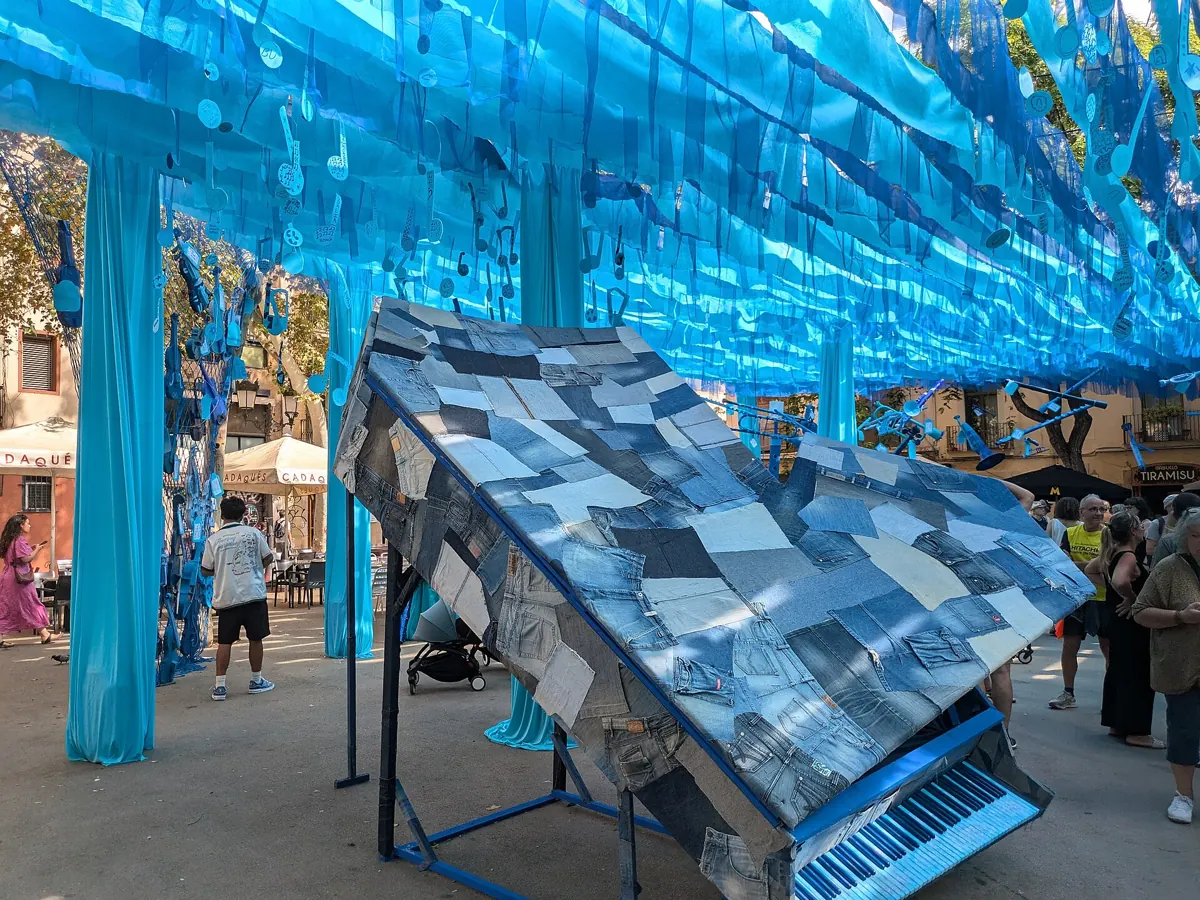
Gràcia was an independent village until the late 19th century and still feels like one: narrow streets, squares with terraces, and small shops. It is the best spot of the day for an unhurried lunch.
Tip: In August, the neighbourhood celebrates its main festival, with streets decorated by locals. For food, head away from the squares: the surrounding streets offer more choice.
Next stop: Metro L3 from Fontana to Paral·lel and Montjuïc funicular, about 25 min (the funicular is included in the metro ticket)
Day 2 · Afternoon
4. Fundació Joan Miró
Paid entry; check prices on their website
Parc de Montjuïc, s/n
15:30 · 1 h 30 min
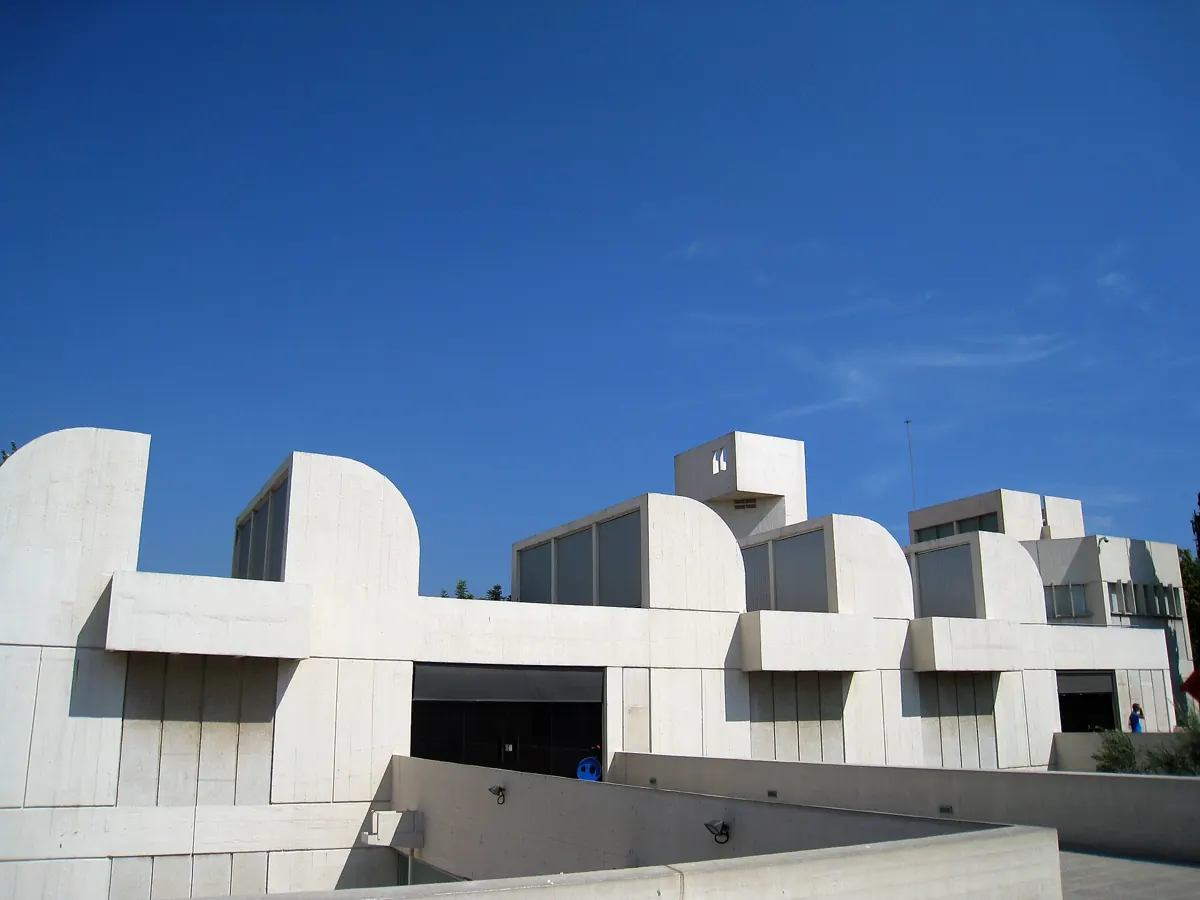
The museum Miró himself wanted for his city, housed in a white building designed by his friend Josep Lluís Sert, full of light and terraces. Paintings, sculptures, and tapestries from all his periods.
Tip: The terraces with sculptures offer views of the city: don't miss them. Check their website for the day's opening times, which change depending on the season.
Next stop: 11 min walk (0.8 km)
Day 2 · Sunset and night
5. Mirador del Palau Nacional (MNAC)
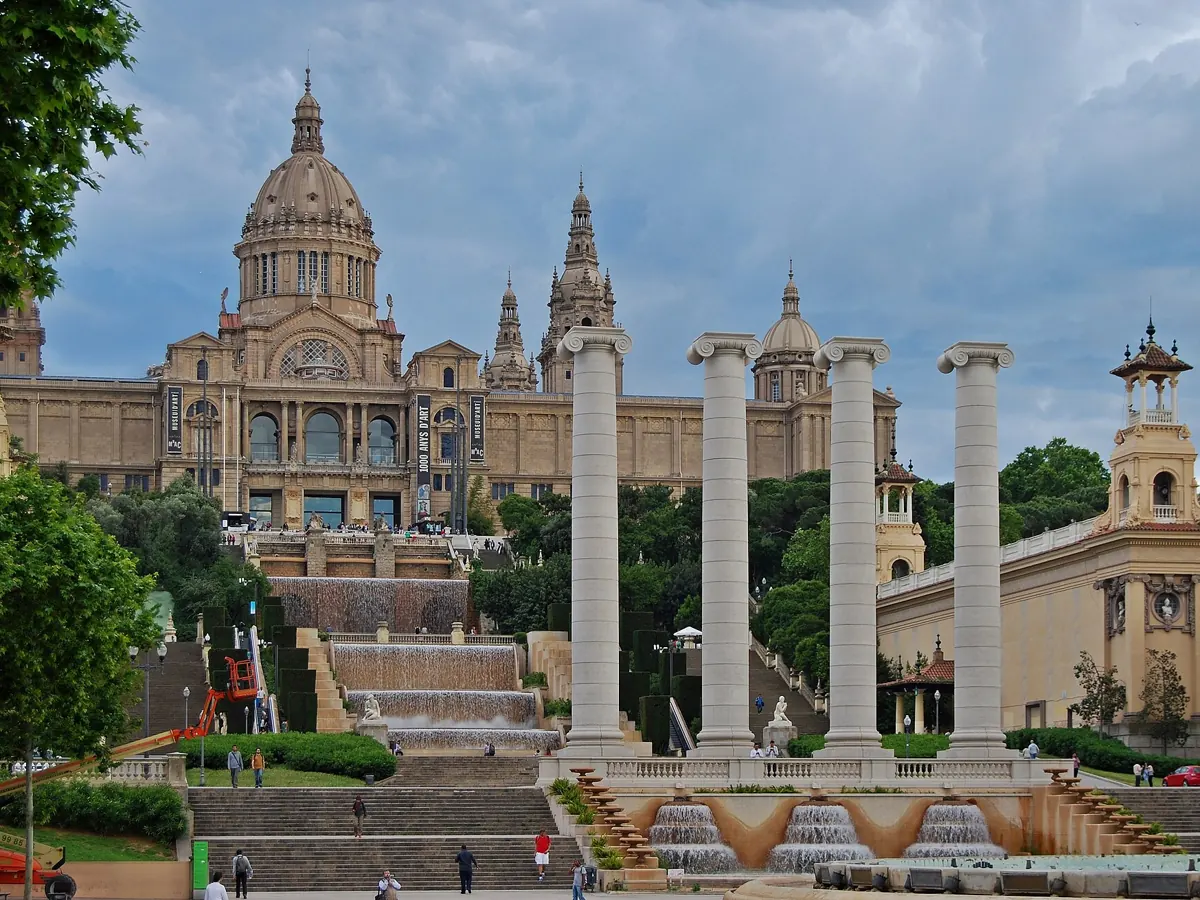
Exterior free; museum, paid entry
Palau Nacional, Parc de Montjuïc
17:30 · 45 min
The Palau Nacional was built for the 1929 International Exhibition and today houses the Museu Nacional d'Art de Catalunya, featuring the world's best collection of Romanesque art. From its steps, you can see the whole city stretching as far as Tibidabo.
Tip: The steps and the esplanade are free and are the perfect spot to watch the sunset. If you want to go inside the museum, arrive earlier: you'll need at least two hours.
Next stop: 6 min walk (0.4 km)
6. Font Màgica and Plaça d'Espanya
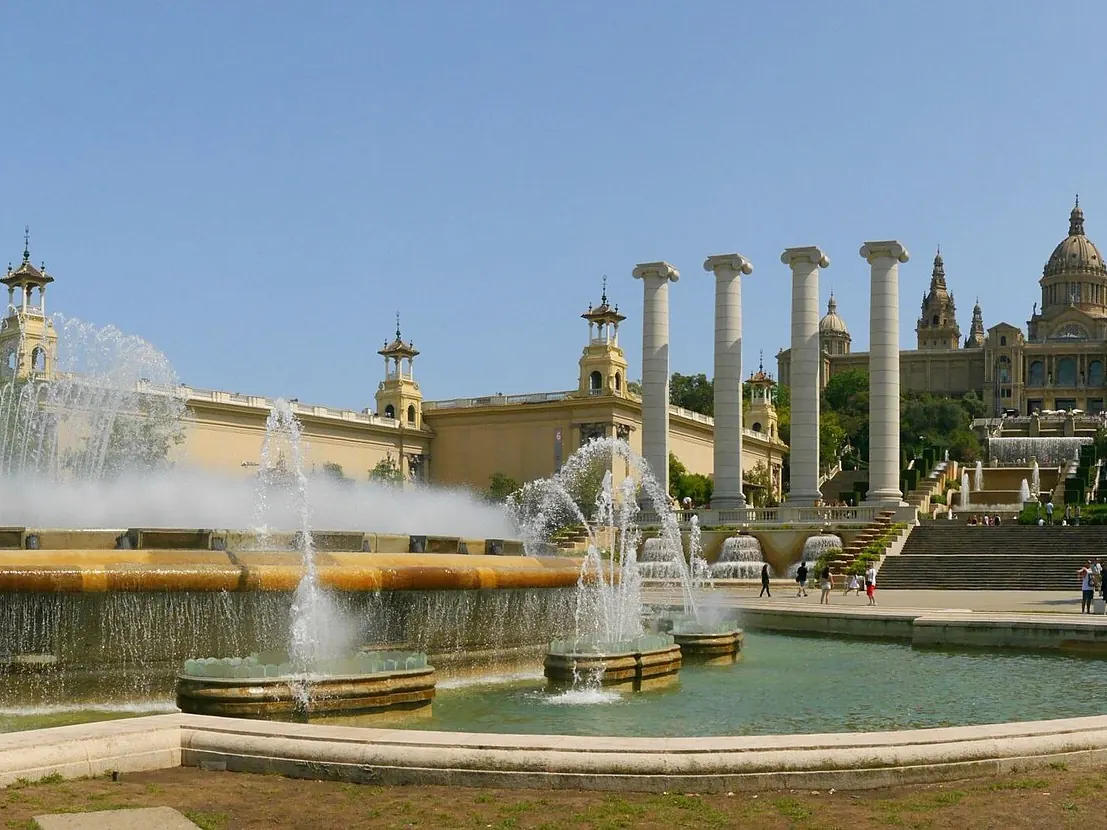
Free
Plaça de Carles Buïgas
At dusk · 30 min
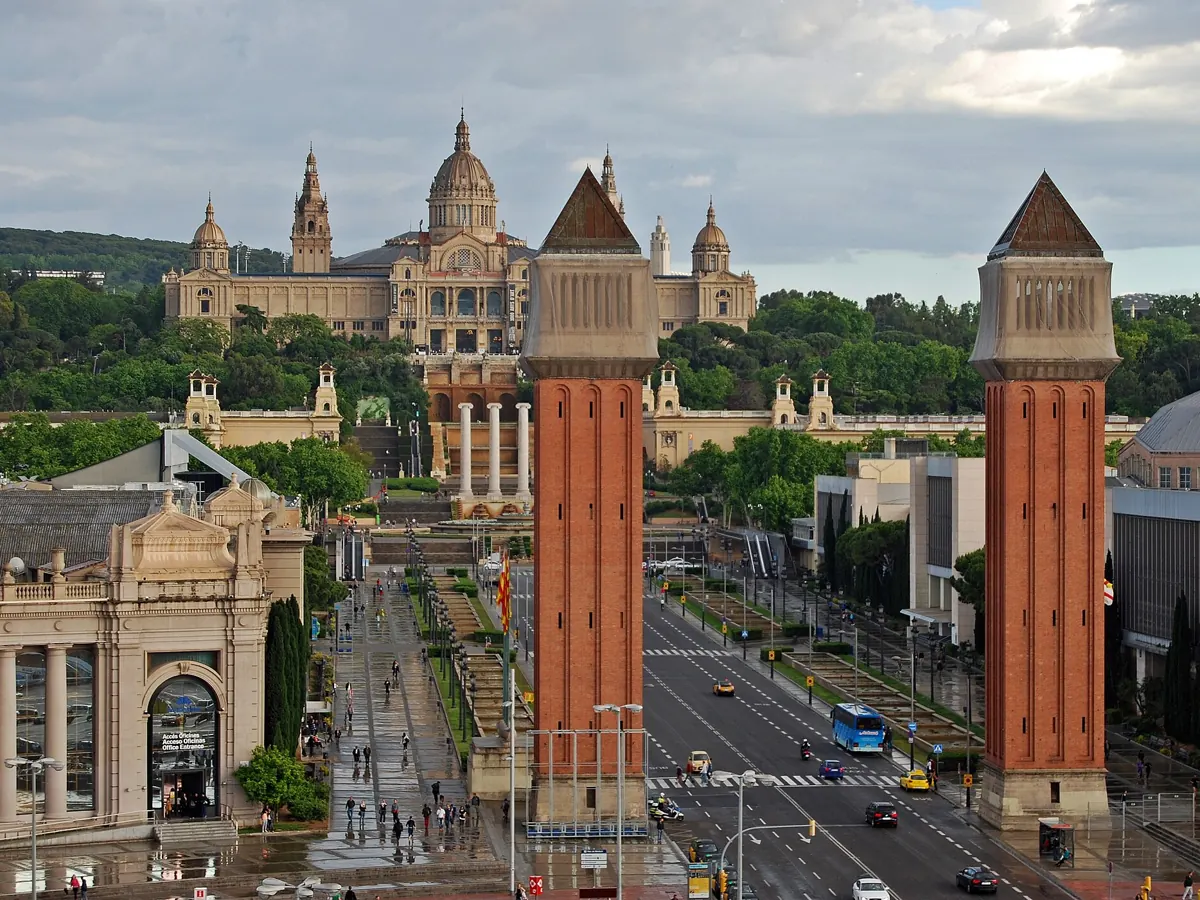
The fountain by Carles Buïgas, also from 1929, featuring water, light, and music shows. Walk down from the Palau Nacional via the stairs between the waterfalls to the Venetian towers in Plaça d'Espanya.
Tip: The shows are not daily and change depending on the season: check the Ajuntament website beforehand. For dinner, Poble-sec is a ten-minute walk away.
Day 3
Modernisme, La Ribera and the Poblenou Seafront
Non-Gaudí Modernism, the city's most beautiful market, and an afternoon of park and beach away from Barceloneta.
The day at a glance
Day 3 · Morning
1. Sant Pau Recinte Modernista
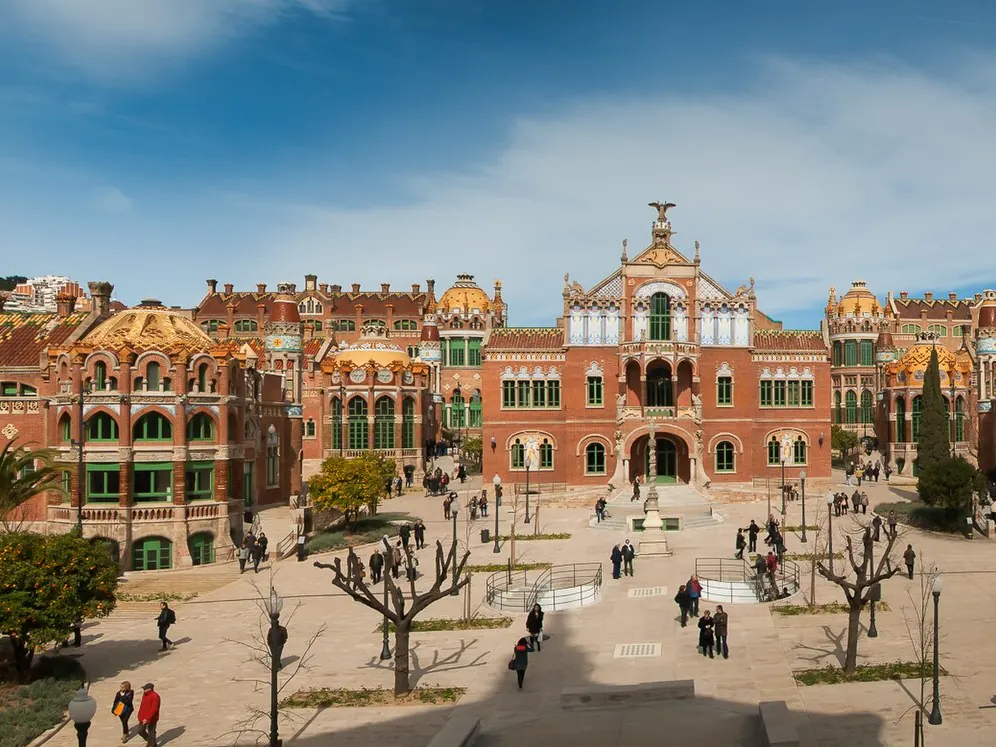
Paid entry; check prices on their website
Carrer de Sant Antoni Maria Claret, 167
10:00 · 1 h 30 min
The former hospital by Lluís Domènech i Montaner, a small city of brick pavilions, ceramics, and domes connected by gardens and tunnels. It operated as a hospital until 2009 and is a World Heritage site.
Tip: The self-guided tour starts at the Pavelló de Sant Salvador. From the entrance, you can see Avinguda Gaudí, which ends at the Sagrada Família.
Next stop: Metro L5 from Sant Pau | Dos de Maig to Verdaguer and L4 to Urquinaona, about 20 min
2. Palau de la Música Catalana
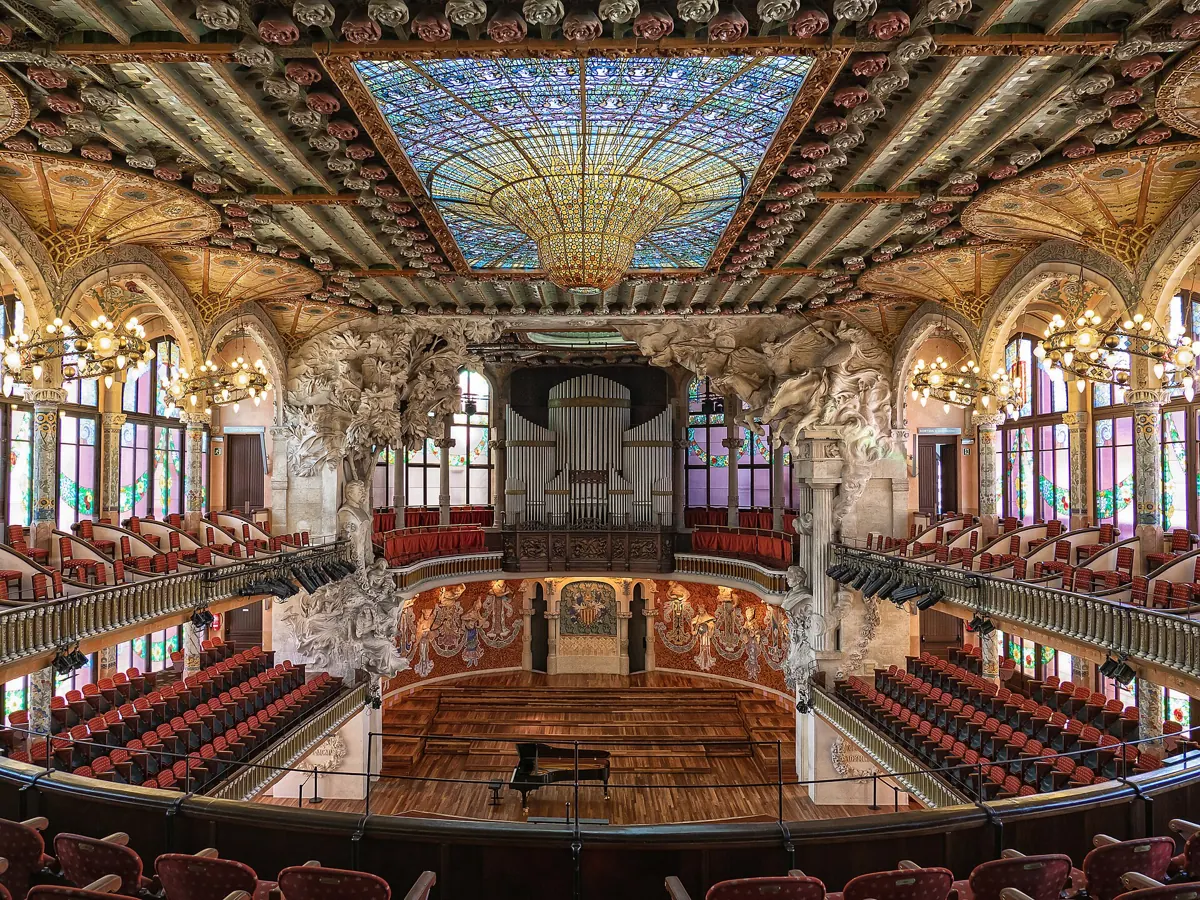
Self-guided tour: 20 €; guided tour: 24 €
Carrer del Palau de la Música, 4-6
11:45 · 50 min
Best to book a timed ticket
Domènech i Montaner's other masterpiece: a concert hall with an inverted stained-glass skylight, sculptures emerging from the walls, and mosaics everywhere. A World Heritage site, just like Sant Pau.
Tip: You can only see the inside on a scheduled tour (self-guided or guided), or during a concert: check the programme to see if an evening performance suits you.
Next stop: 6 min walk (0.4 km)
Day 3 · Midday
3. Mercat de Santa Caterina
Free entry
Avinguda de Francesc Cambó, 16
13:00 · 1 h
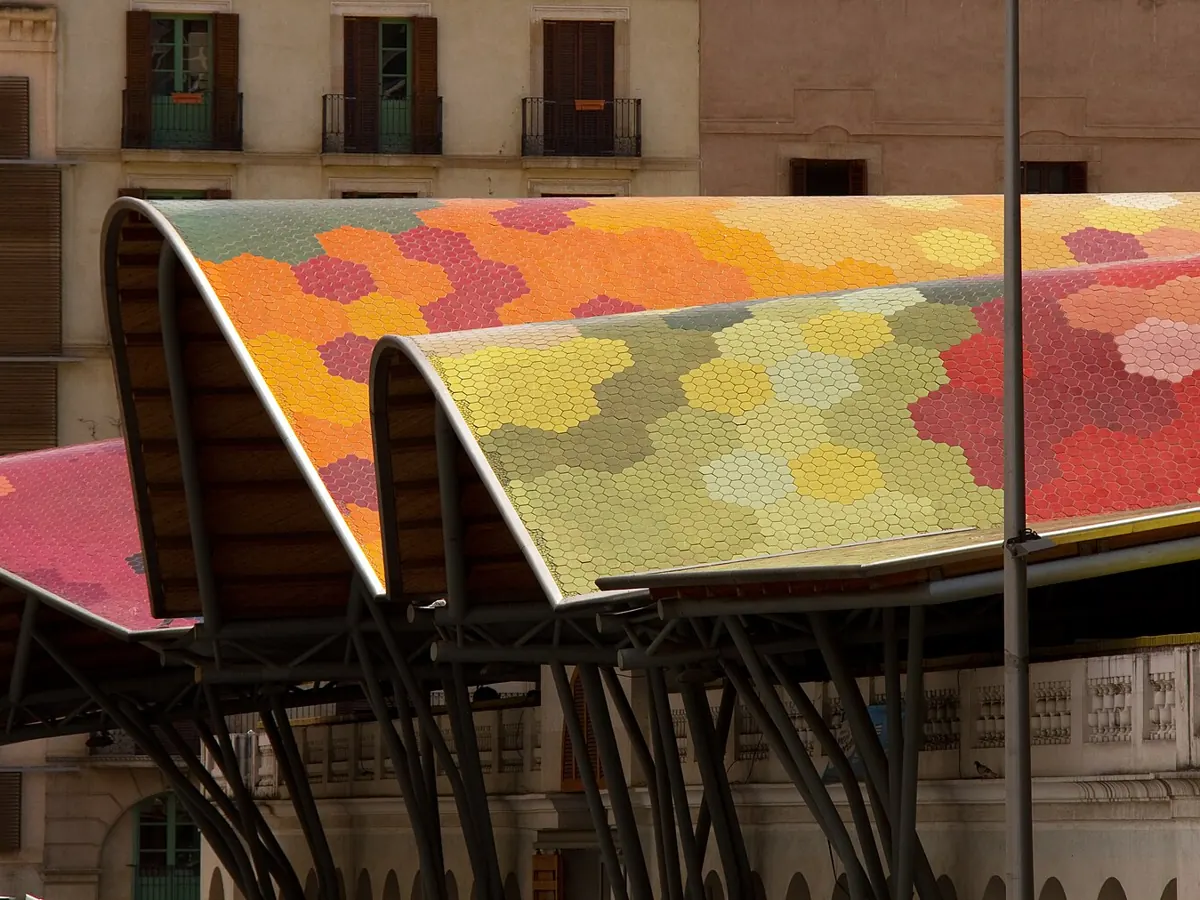
The Sant Pere neighbourhood market, featuring a colourful undulating ceramic roof designed by Enric Miralles and Benedetta Tagliabue. Quieter and more local than the Boqueria.
Tip: Closed on Sundays. The bars inside are a great option for eating fresh market produce.
Next stop: 14 min walk (1.0 km)
Day 3 · Afternoon
4. Arc de Triomf and Parc de la Ciutadella
Free
Passeig de Lluís Companys
14:30 · 1 h
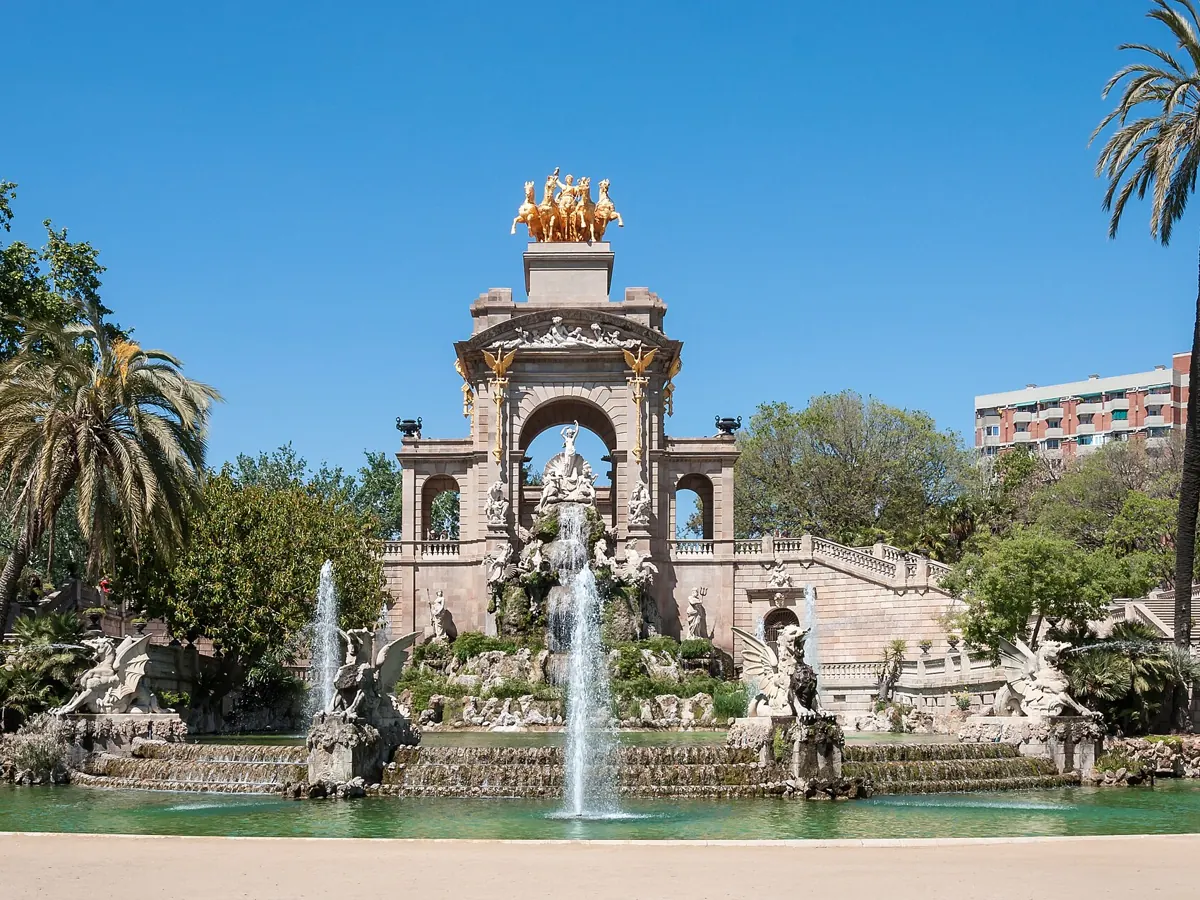
The brick Arc de Triomf was the gateway to the 1888 Universal Exhibition, held in this park. Inside, you'll find the monumental waterfall worked on by Gaudí while he was still a student, the boating lake, and the Parlament de Catalunya.
Tip: Enter via Passeig de Lluís Companys from the Arc de Triomf: this way, you reach the waterfall following the axis of the exhibition.
Next stop: 19 min walk (1.4 km)
5. Port Olímpic and Frank Gehry's Peix
Free
Passeig Marítim del Port Olímpic
16:00 · 30 min
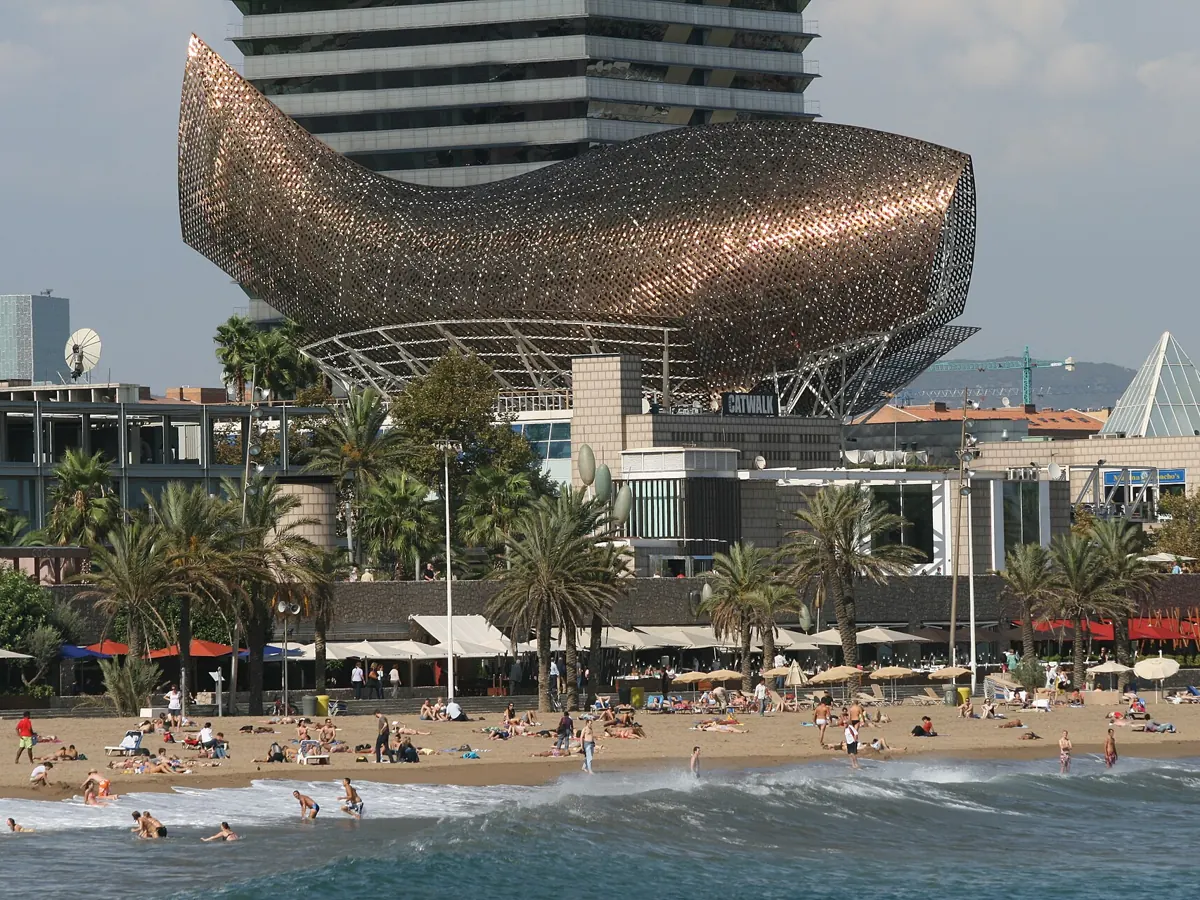
The 1992 Olympic Games opened Barcelona to the sea: this seafront used to be an industrial area. Frank Gehry's golden fish, next to the two towers, has become one of its symbols.
Tip: Follow the seafront promenade northwards: the Poblenou beaches are quieter than Barceloneta.
Next stop: 17 min walk (1.3 km)
Day 3 · Sunset and night
6. Platja del Bogatell
Free
Passeig Marítim del Bogatell
At sunset · 45 min
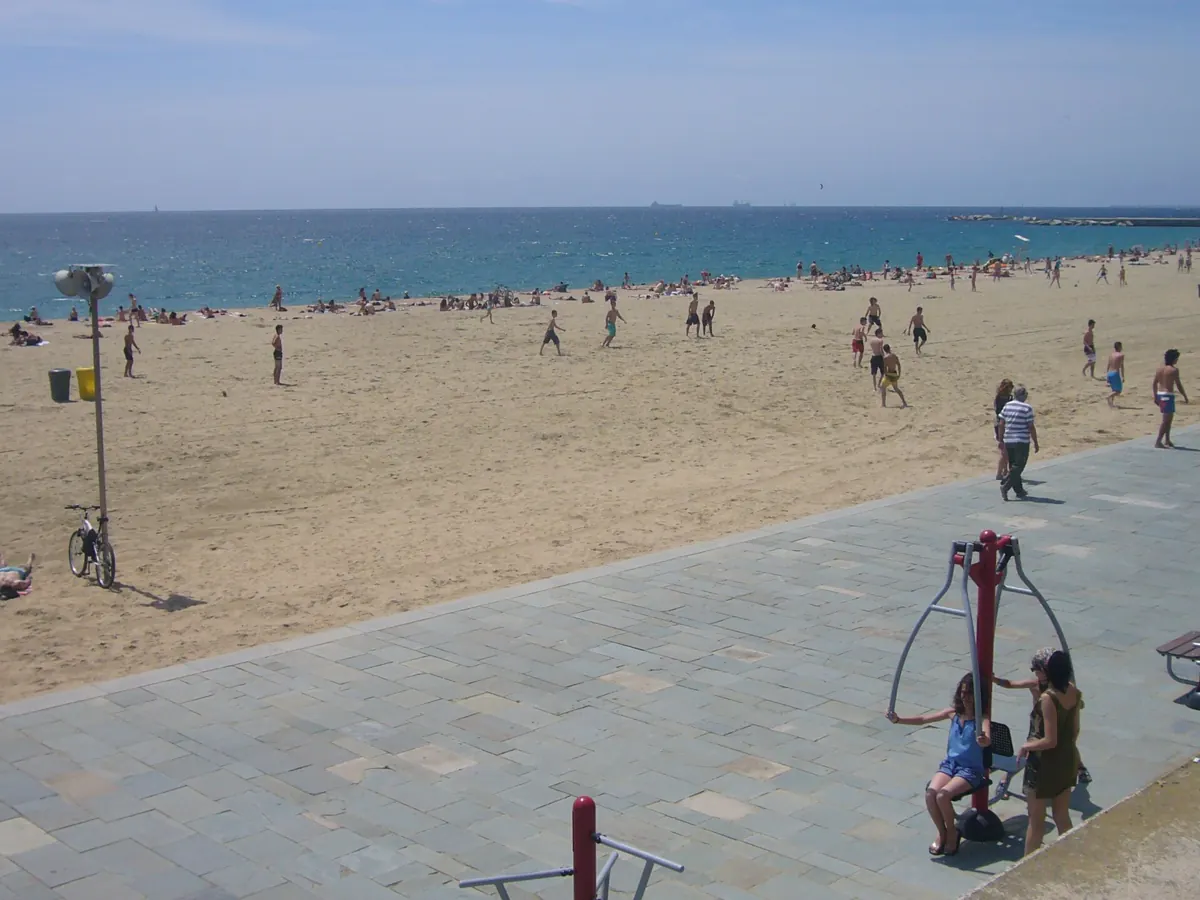
A wide, less touristy beach, with a promenade for walking or cycling by the sea. A great spot to rest your feet after three days in the city.
Tip: If it gets chilly, the seafront promenade is still a great plan: enjoying the sea view as evening falls doesn't require a swim.
Next stop: 19 min walk (1.4 km)
7. Rambla del Poblenou
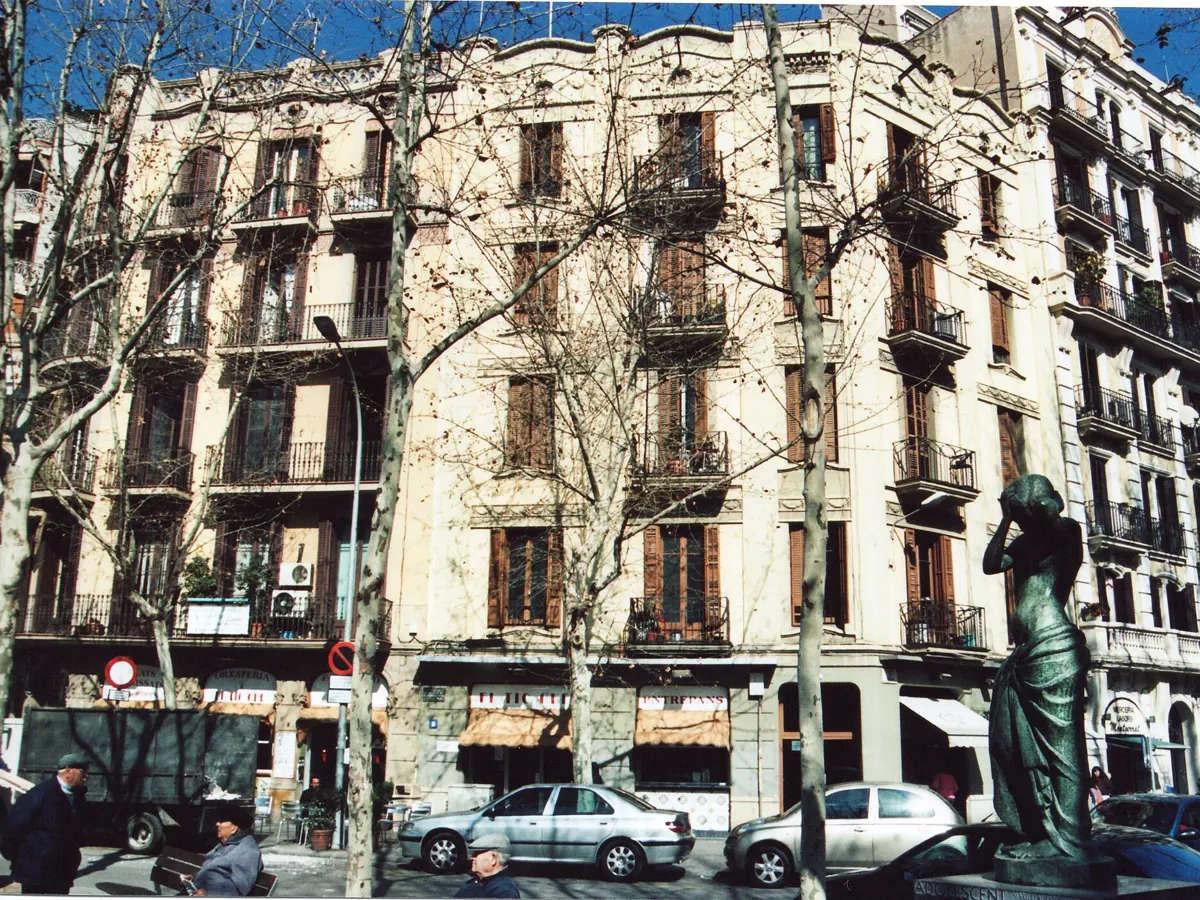
Free
Rambla del Poblenou
20:00 · As long as you like
The old factory district, the "Catalan Manchester", retains chimneys and warehouses that are now studios and offices. Its rambla is a local promenade, with terraces and ice cream parlours, away from the touristy vibe of the centre.
Tip: To get back to the centre, the L4 metro stops right on the rambla (Poblenou).
Day 4
Day Trip to Montserrat
Catalonia's sacred mountain, just over an hour away by train: the monastery, the Moreneta and trails among rocky peaks.
The day at a glance
Day 4 · Morning
1. Departure: Plaça d'Espanya Station (FGC)
Combined train and rack railway ticket; check FGC for fares
Plaça d'Espanya
8:30 · Journey
Ferrocarrils de la Generalitat R5 line trains depart from the underground Plaça d'Espanya station. At Monistrol de Montserrat, you change to the rack railway, which climbs up to the monastery.
Tip: Combined train and rack railway tickets are available (also including funiculars). Get off at Monistrol de Montserrat for the rack railway; the previous stop, Aeri de Montserrat, is for the cable car.
Next stop: FGC R5 train to Monistrol de Montserrat and rack railway to the monastery, just over 1 h
2. Montserrat Monastery and Basilica
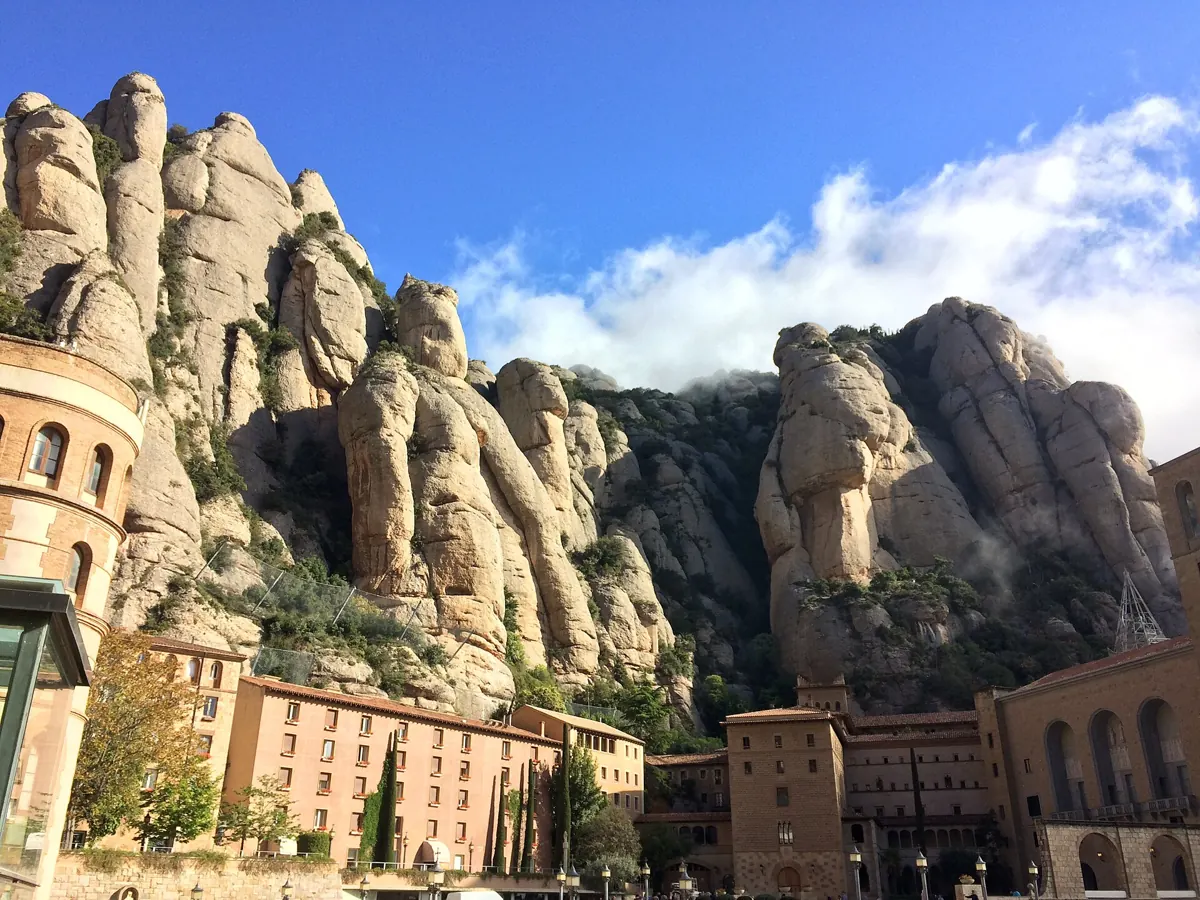
Basilica free; museum, paid
Monestir de Montserrat
10:00 · 2 h
A nearly thousand-year-old Benedictine monastery, nestled in a mountain of impossible shapes. The basilica houses the Moreneta, the patron saint of Catalonia, and features performances by the Escolania, one of Europe's oldest boys' choirs.
Tip: Check the monastery's website for the Escolania's schedule and access times for the Moreneta: there is usually a queue. The Museu de Montserrat, next to the square, holds works by Picasso, Dalí and El Greco.
Next stop: 11 min walk (0.8 km)
Day 4 · Afternoon
3. Santa Cova Path
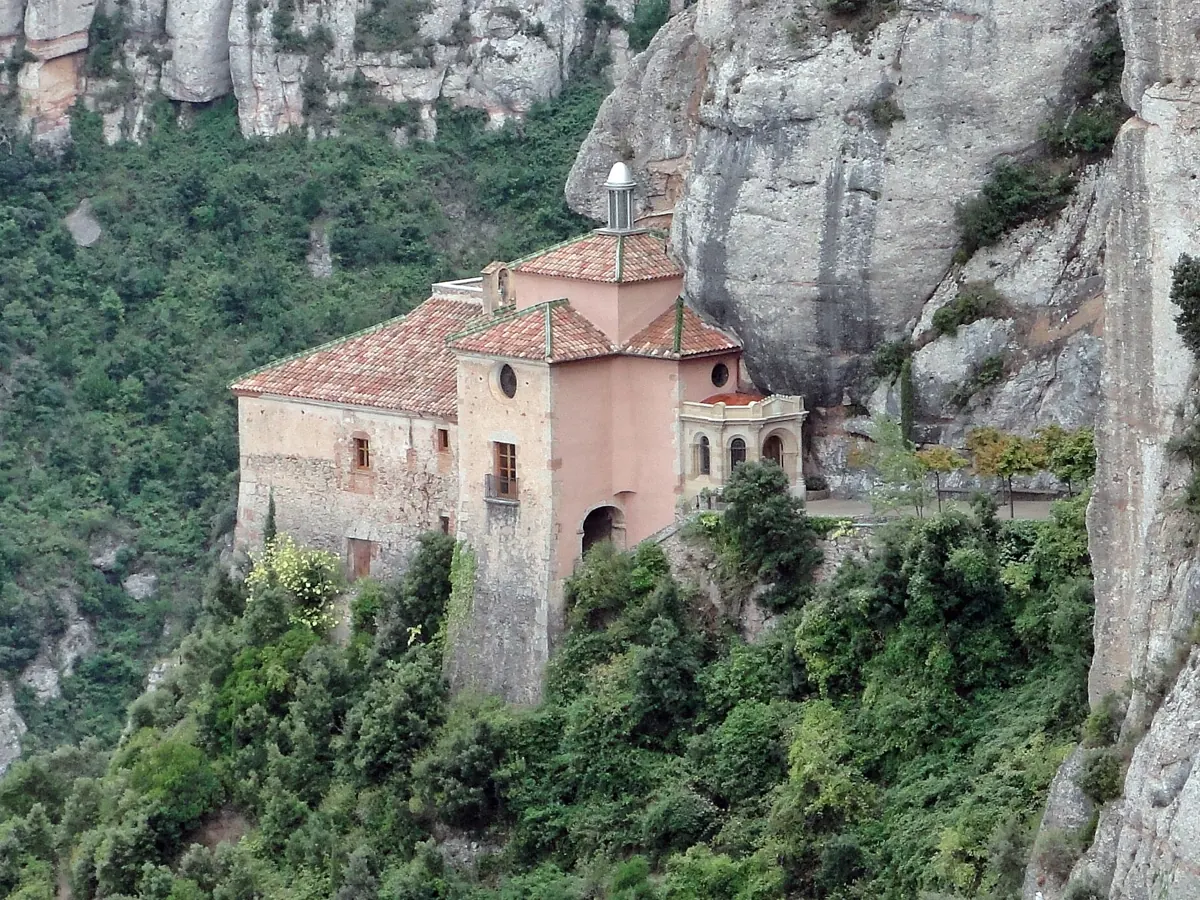
Free
Camí de la Santa Cova
14:00 · 1 h 30 min return
An almost flat path carved into the rock, featuring modernist sculptures by Gaudí and Puig i Cadafalch among others, leading to the chapel where, according to legend, the Moreneta appeared.
Tip: With more time and energy, the Sant Joan funicular goes up to the high mountain trails, offering the best views. Check the time of the last rack railway down.
Day 5
Day Trip to Girona
A medieval city less than an hour away by fast train: colourful houses over the river, the Jewish quarter and a city wall you can walk along.
The day at a glance
Day 5 · Morning
1. Departure: Sants Station
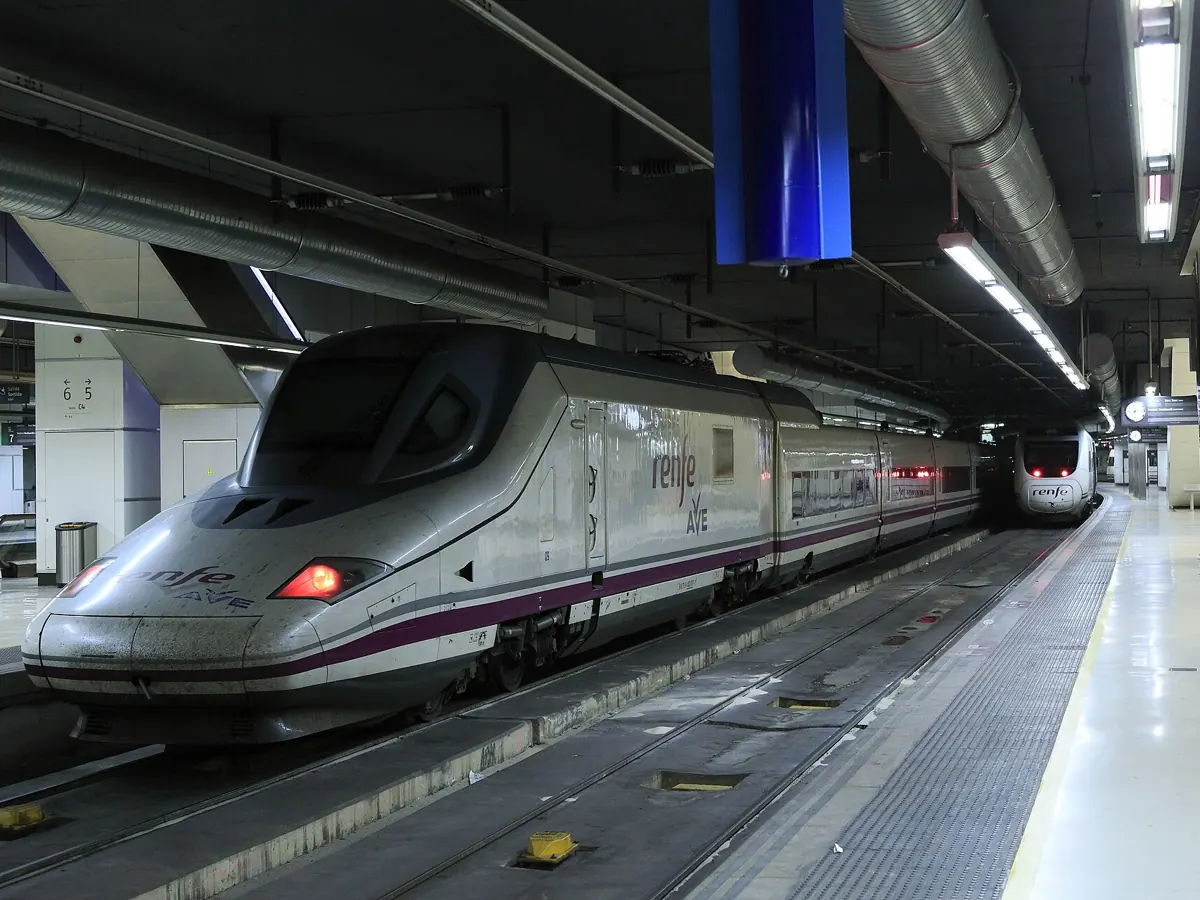
Train ticket; check Renfe for fares
Plaça dels Països Catalans
9:00 · Journey
High-speed trains to Girona depart from Sants, which is the fastest option. There are also regional trains, which are cheaper but considerably slower.
Tip: Buy your ticket in advance from Renfe: fast trains sell out on weekends. From Girona station to the old town is about a 15-minute walk.
Next stop: High-speed train to Girona, about 40 min, and a 15 min walk to the river
2. Pont de les Peixateries Velles and the Onyar Houses
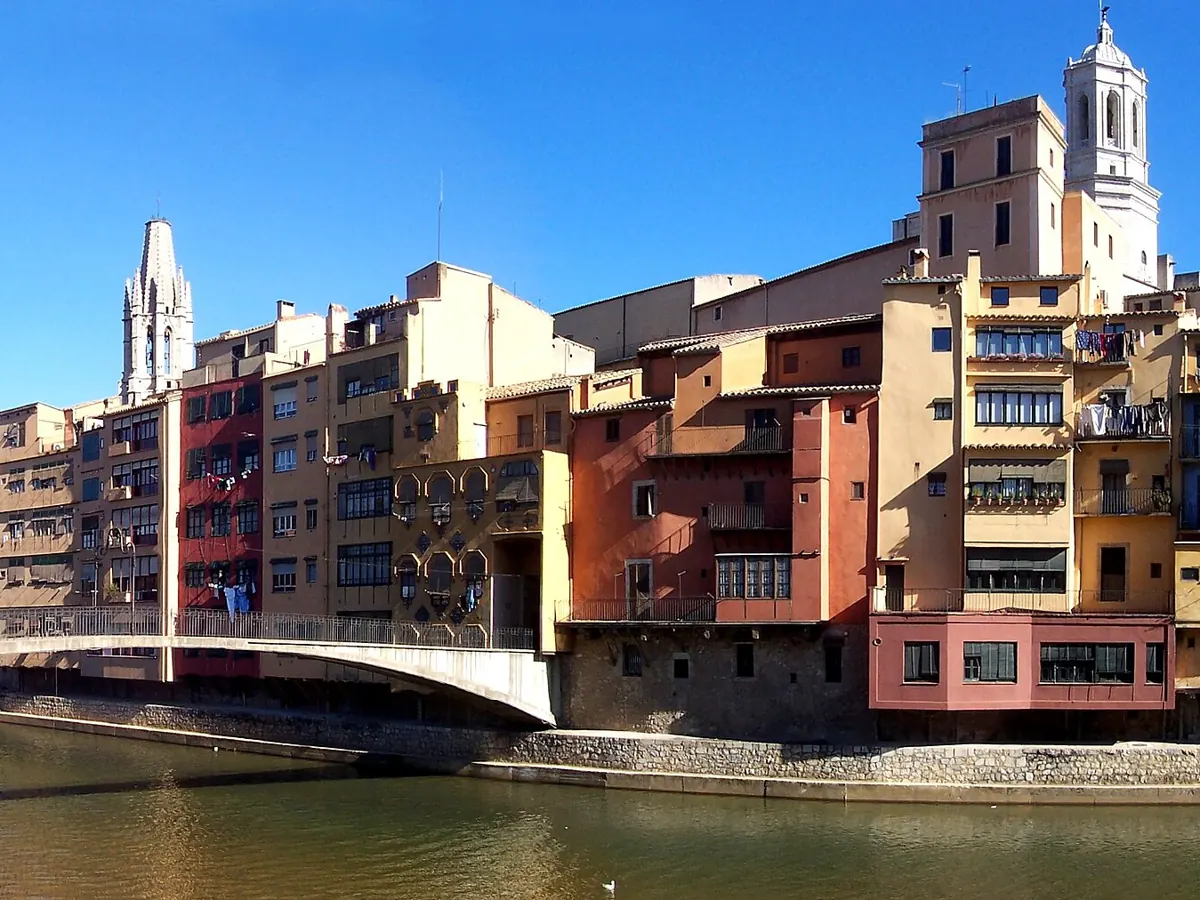
Free
Pont de les Peixateries Velles
10:00 · 30 min
The red iron bridge was built by Gustave Eiffel's workshop before the Paris tower. From here you can see the colourful houses hanging over the Onyar river, Girona's classic postcard view.
Tip: Also cross the Pont de Pedra, a few metres further down, to see the houses from another angle.
Next stop: 4 min walk (0.3 km)
3. El Call and Carrer de la Força
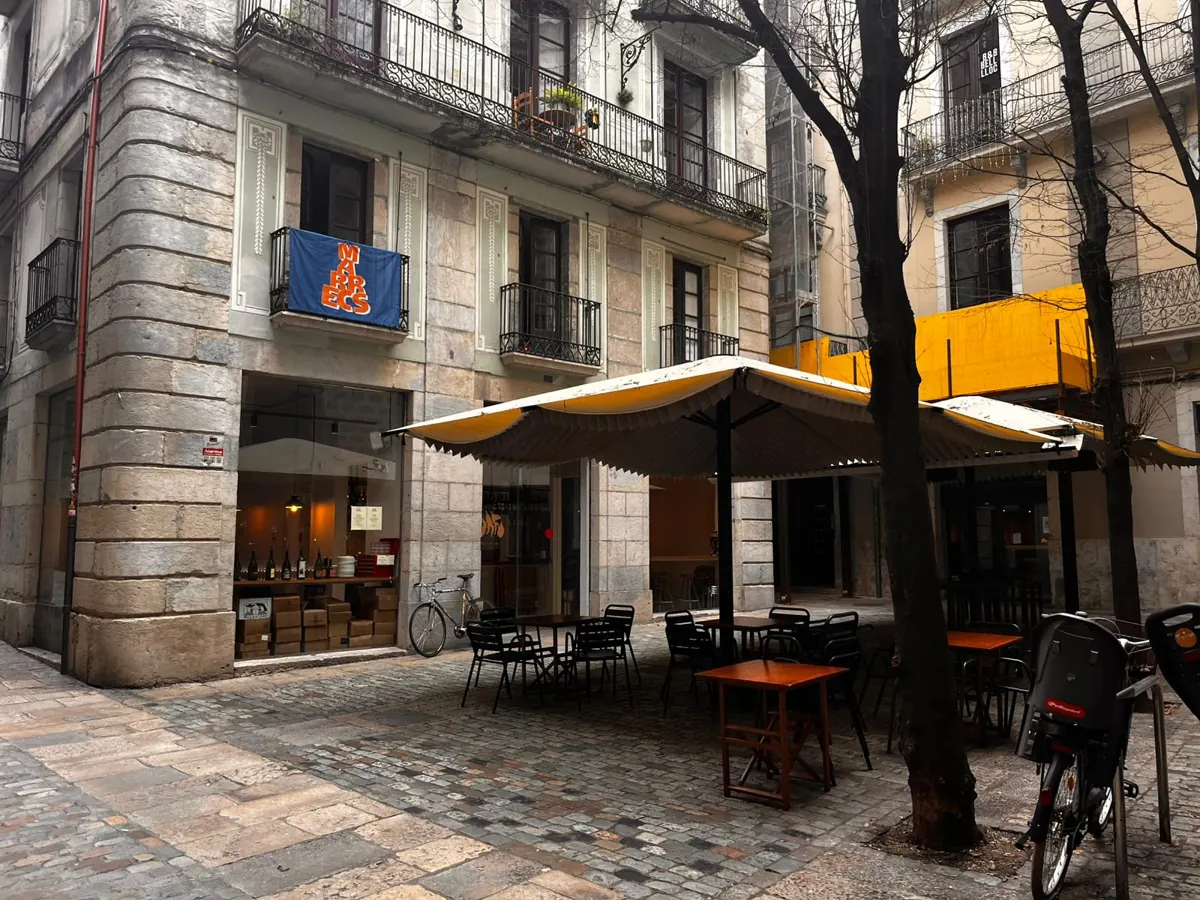
Streets free; museum, paid
Carrer de la Força
10:45 · 1 h
One of the best-preserved medieval Jewish quarters in Europe: narrow alleys, stairs and courtyards. The Museu d'Història dels Jueus tells its story.
Tip: Lose yourself in the alleys leading up from Carrer de la Força: almost all of them lead to the Cathedral.
Next stop: 2 min walk (0.2 km)
Day 5 · Midday
4. Girona Cathedral
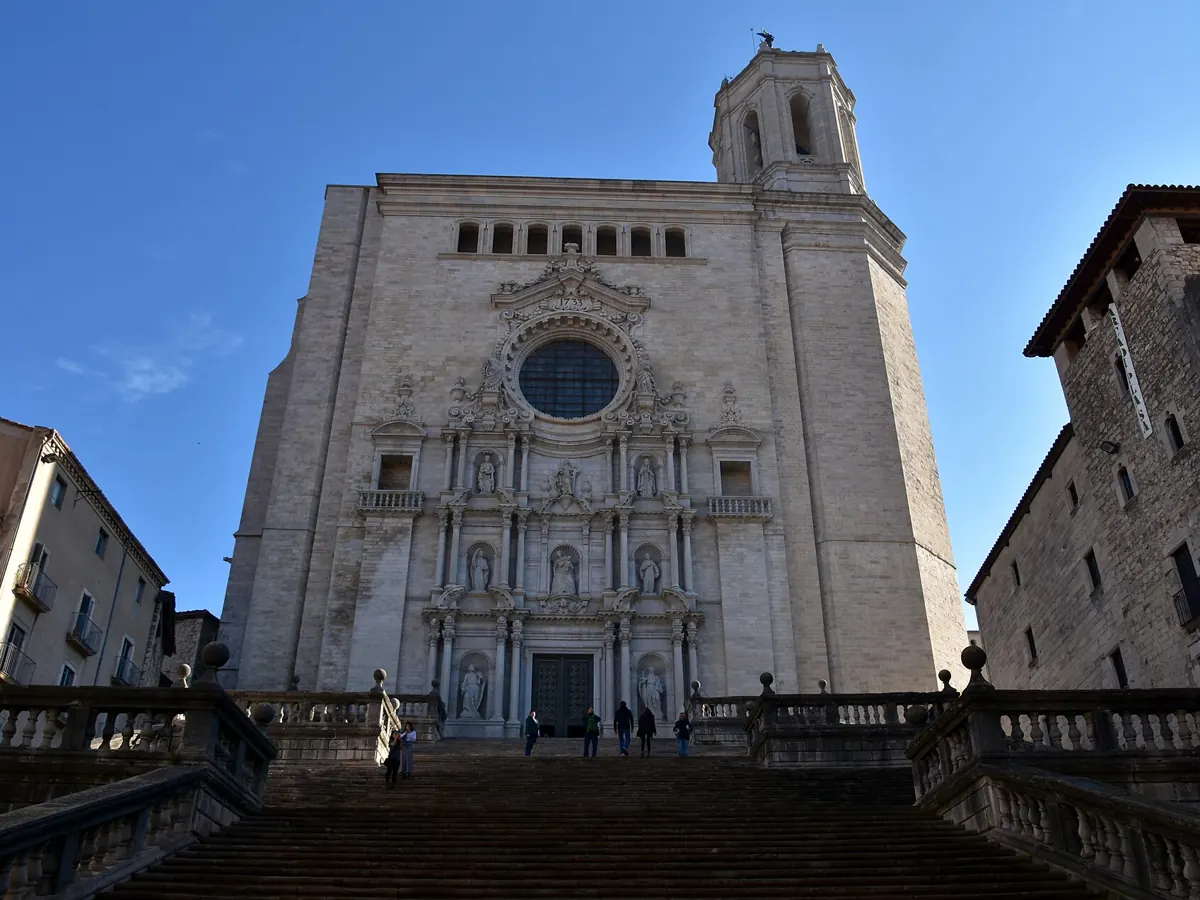
Paid entry; check prices on their website
Plaça de la Catedral
12:00 · 1 h
A ninety-step baroque staircase leads to a cathedral with the widest Gothic nave in the world. Inside, you will find the Romanesque cloister and the 11th-century Tapestry of Creation.
Tip: Afterwards, have lunch in the Barri Vell or by the Rambla de la Llibertat, five minutes away.
Next stop: 2 min walk (0.2 km)
Day 5 · Afternoon
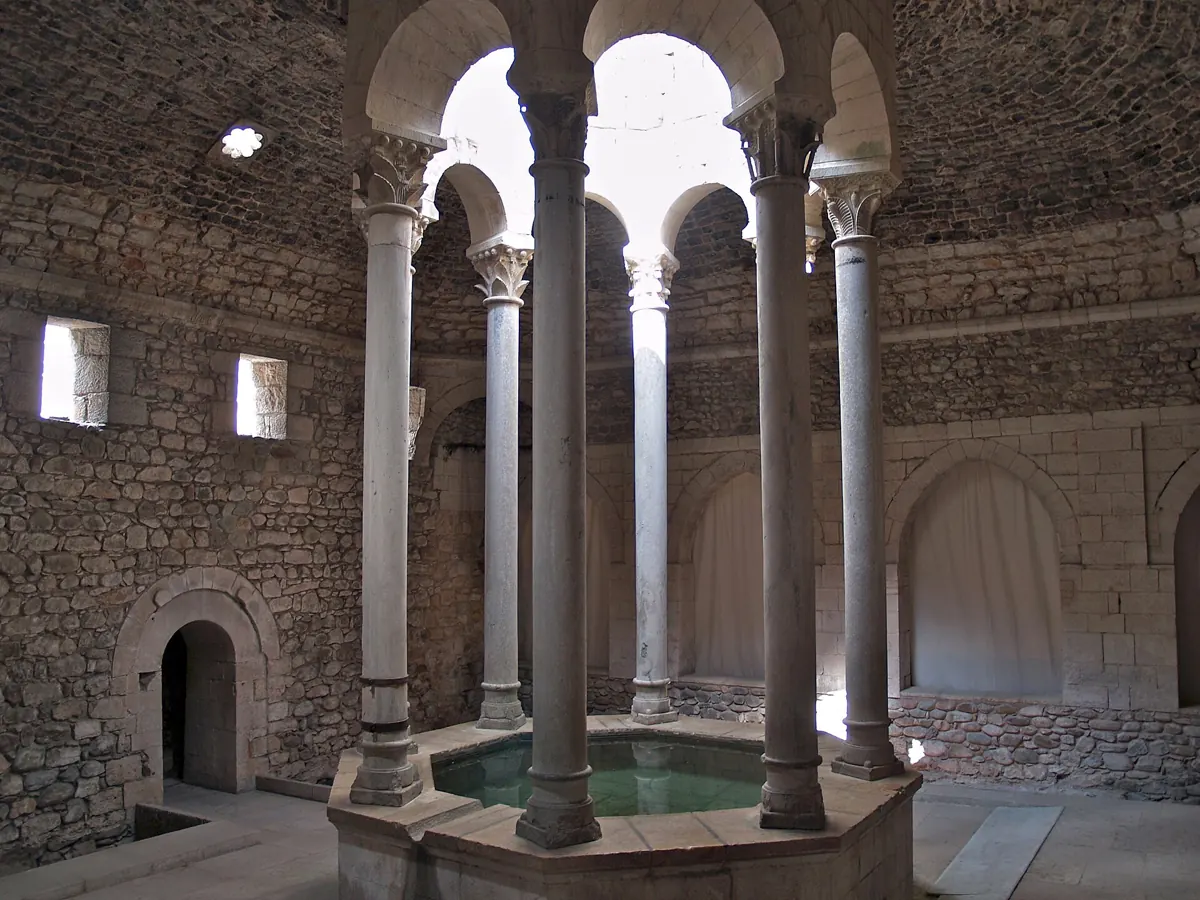
5. Banys Àrabs
Paid entry
Carrer de Ferran el Catòlic
15:00 · 30 min
12th-century public baths inspired by the Romans and Arabs. The columned room with a skylight dome is small but highly photogenic.
Tip: It's a short visit: combine it with a walk through the Barri Vell up towards the city walls.
Next stop: 6 min walk (0.5 km)
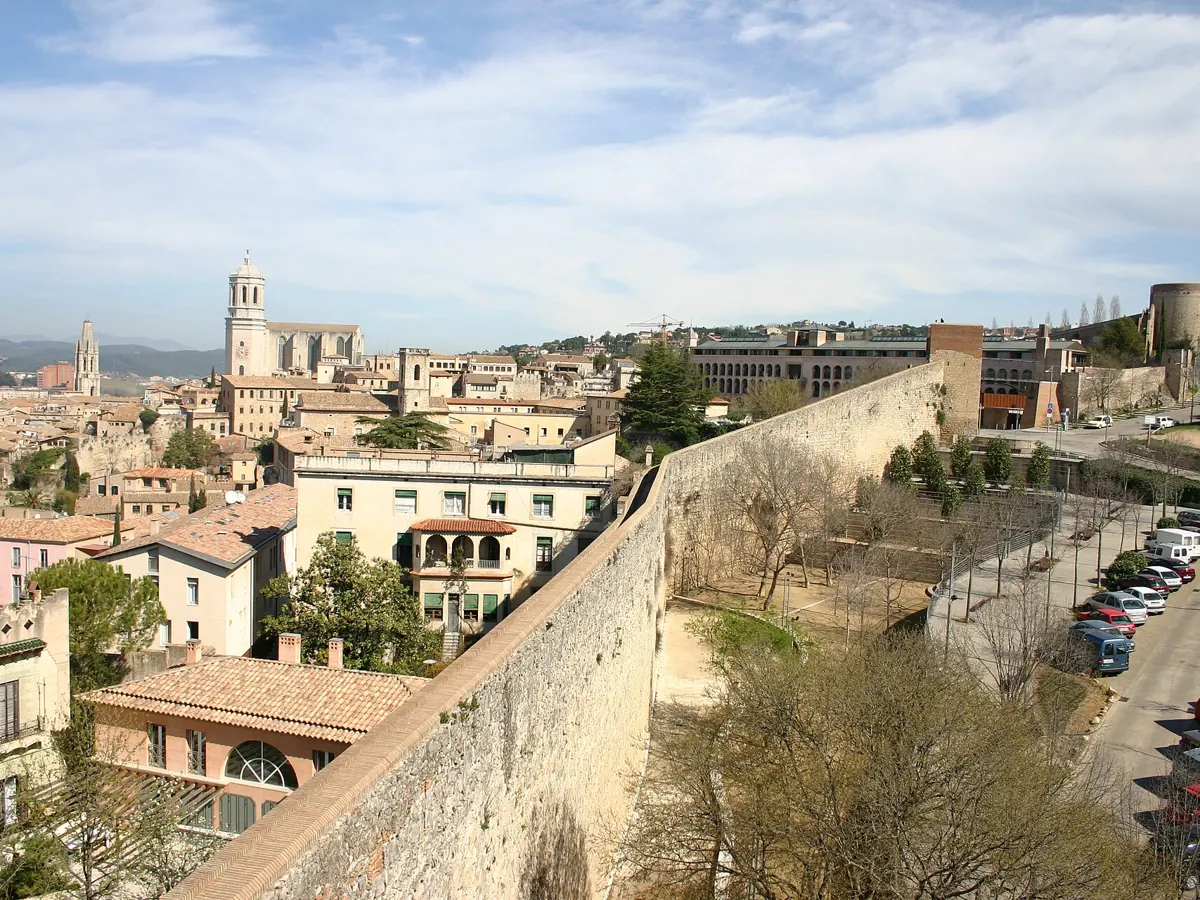
6. Paseo de la Muralla
Free
Jardins dels Alemanys
15:45 · 1 h
A path along the medieval walls surrounding the Barri Vell, featuring towers you can climb and views of the Cathedral, the rooftops and, on clear days, the Pyrenees.
Tip: Enter through the Jardins dels Alemanys, behind the Cathedral. Make sure to leave enough time to get back to the station for your train.
Day 6
Day Trip to Sitges
A white seaside town, about 40 minutes away by train: a church on the rocks, modernist museums and beaches just a stone's throw from the station.
The day at a glance
Day 6 · Morning
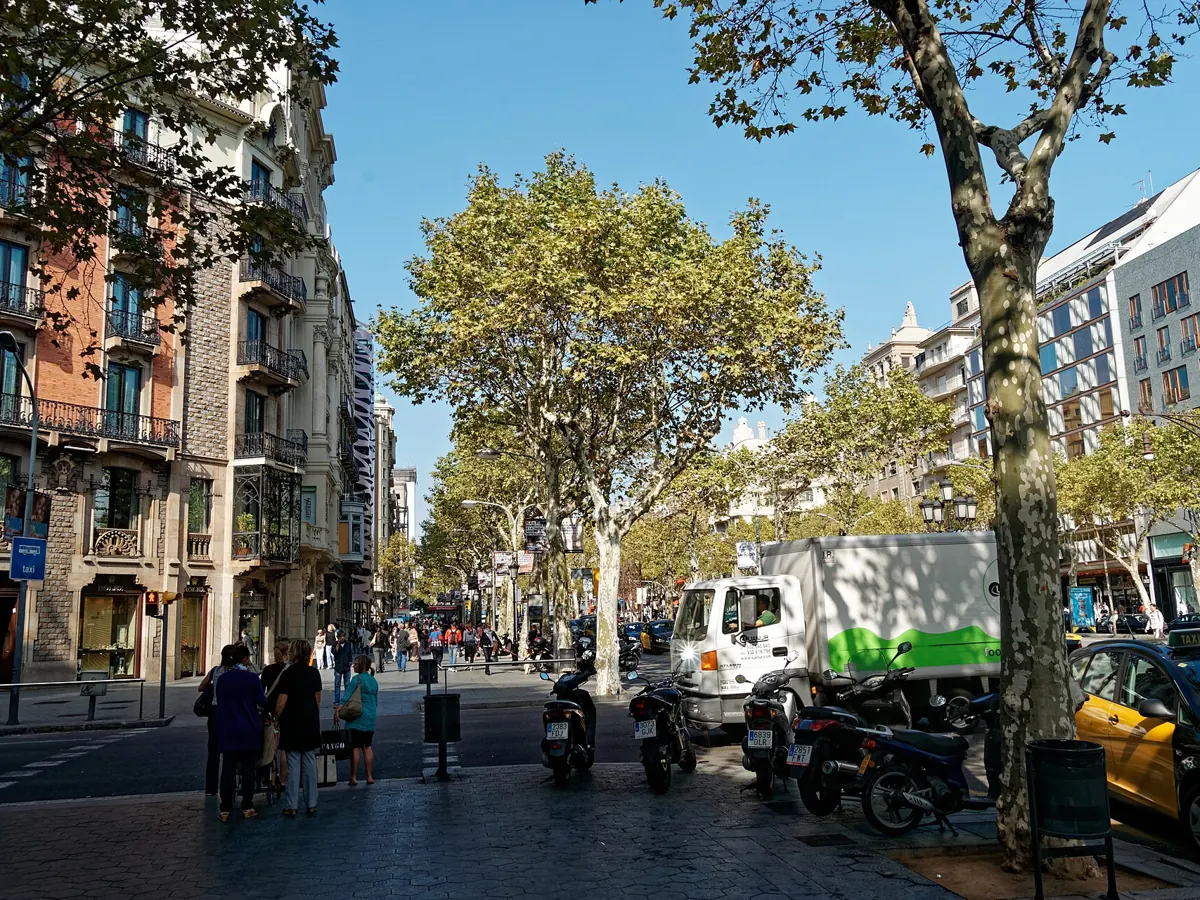
1. Departure: Passeig de Gràcia Station (Rodalies)
Rodalies ticket; check fares on their website
Passeig de Gràcia con Carrer d'Aragó
9:30 · Journey
Trains on the Rodalies R2 Sud line stop at Passeig de Gràcia and Sants on their way to Sitges, with frequent departures.
Tip: Check the Rodalies website to ensure the train stops at Sitges: some go directly further south.
Next stop: Rodalies R2 Sud train to Sitges, about 45 min, and a 10 min walk to the sea
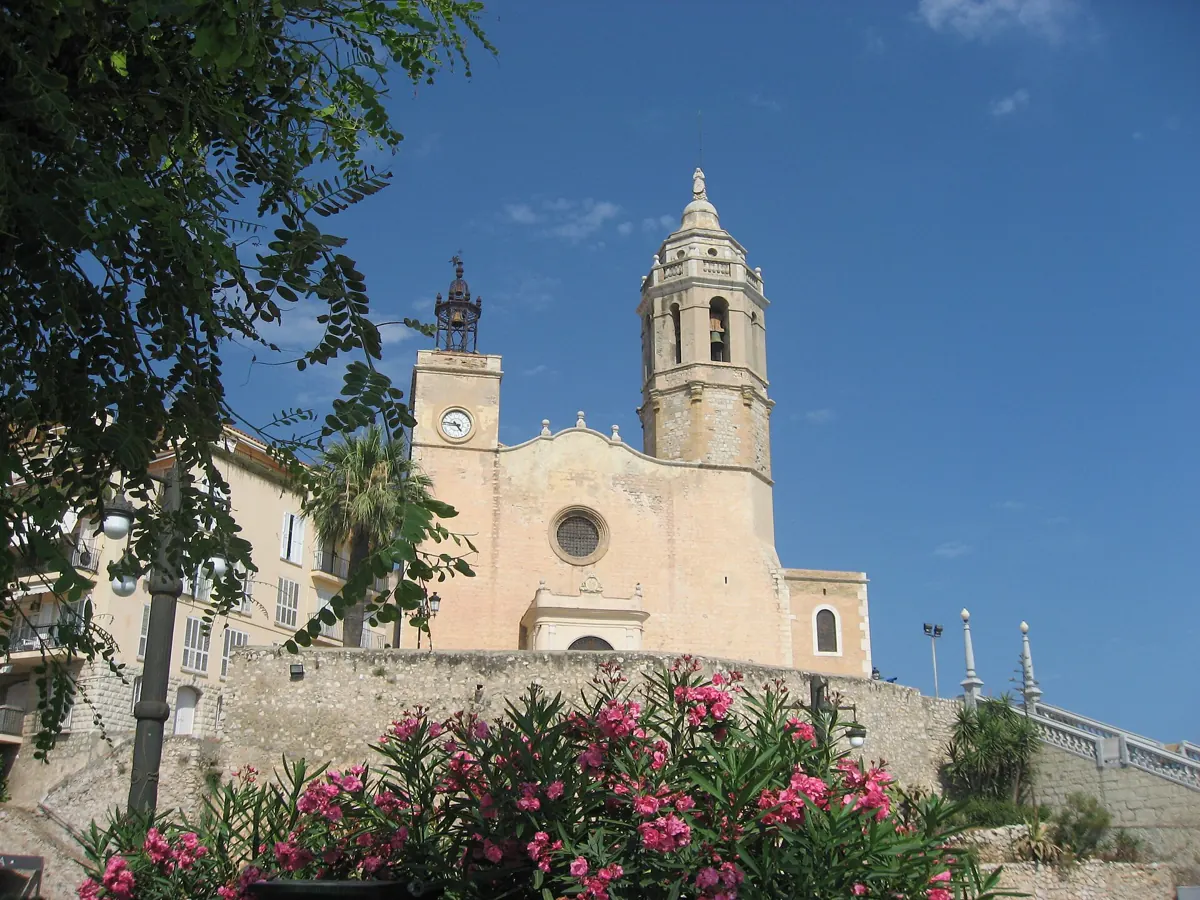
2. Sant Bartomeu i Santa Tecla
Free
Plaça de l'Ajuntament
10:30 · 30 min
The baroque church on the Punta headland, between two beaches, is the iconic image of Sitges. Around it lie the town hall and the oldest streets in town.
Tip: Look out from the viewpoint next to the church: you can see the whole bay from there.
Next stop: 1 min walk (0.1 km)
3. Museu del Cau Ferrat and Maricel
Paid entry; check prices on their website
Carrer de Fonollar, 8
11:00 · 1 h 30 min
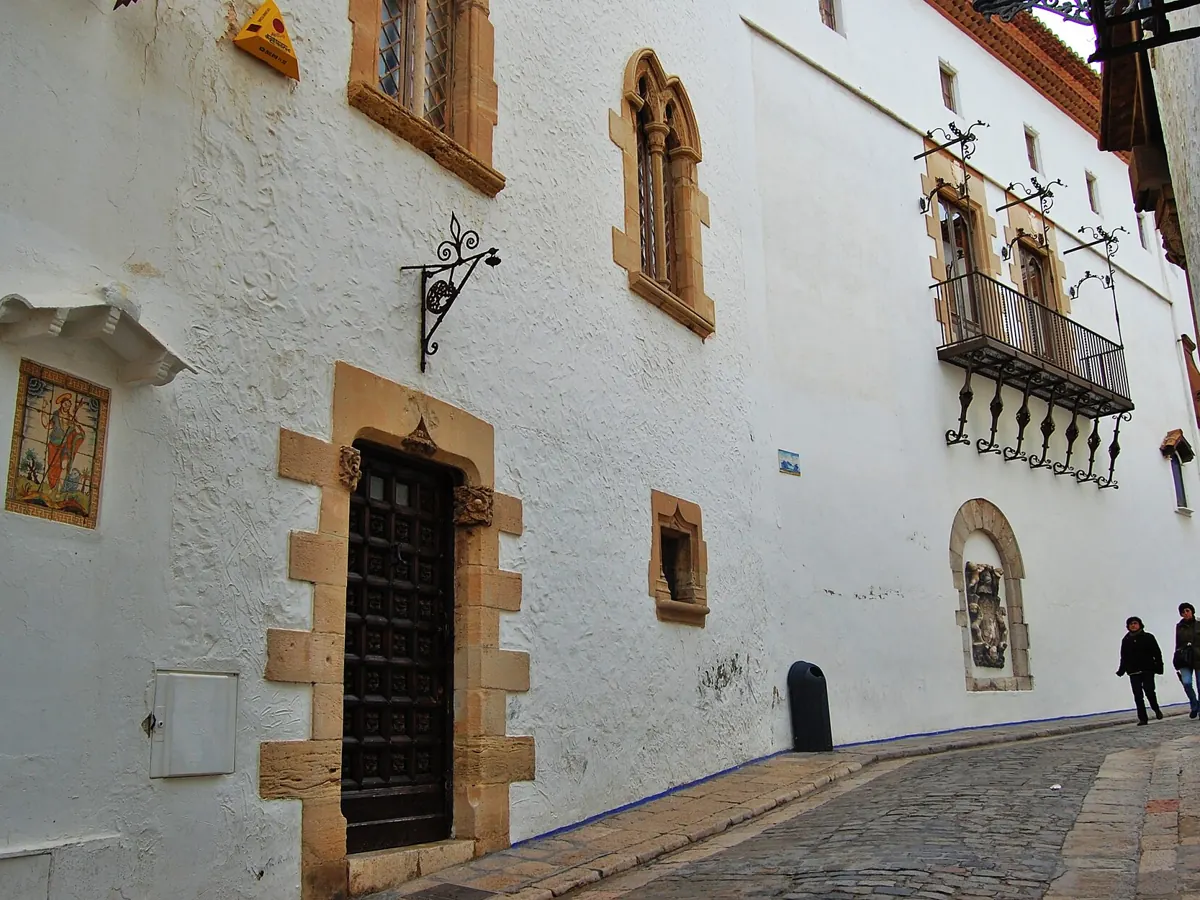
The home and studio of painter Santiago Rusiñol, who turned Sitges into a centre of modernism, featuring his collection of wrought iron, ceramics and works by Picasso and Casas. Next door is the Palau de Maricel, facing the sea.
Tip: Check the Sitges museums website for opening hours and the joint ticket for both.
Next stop: 8 min walk (0.6 km)
Day 6 · Midday
4. Paseo de la Ribera
Free
Passeig de la Ribera
13:00 · 1 h 30 min
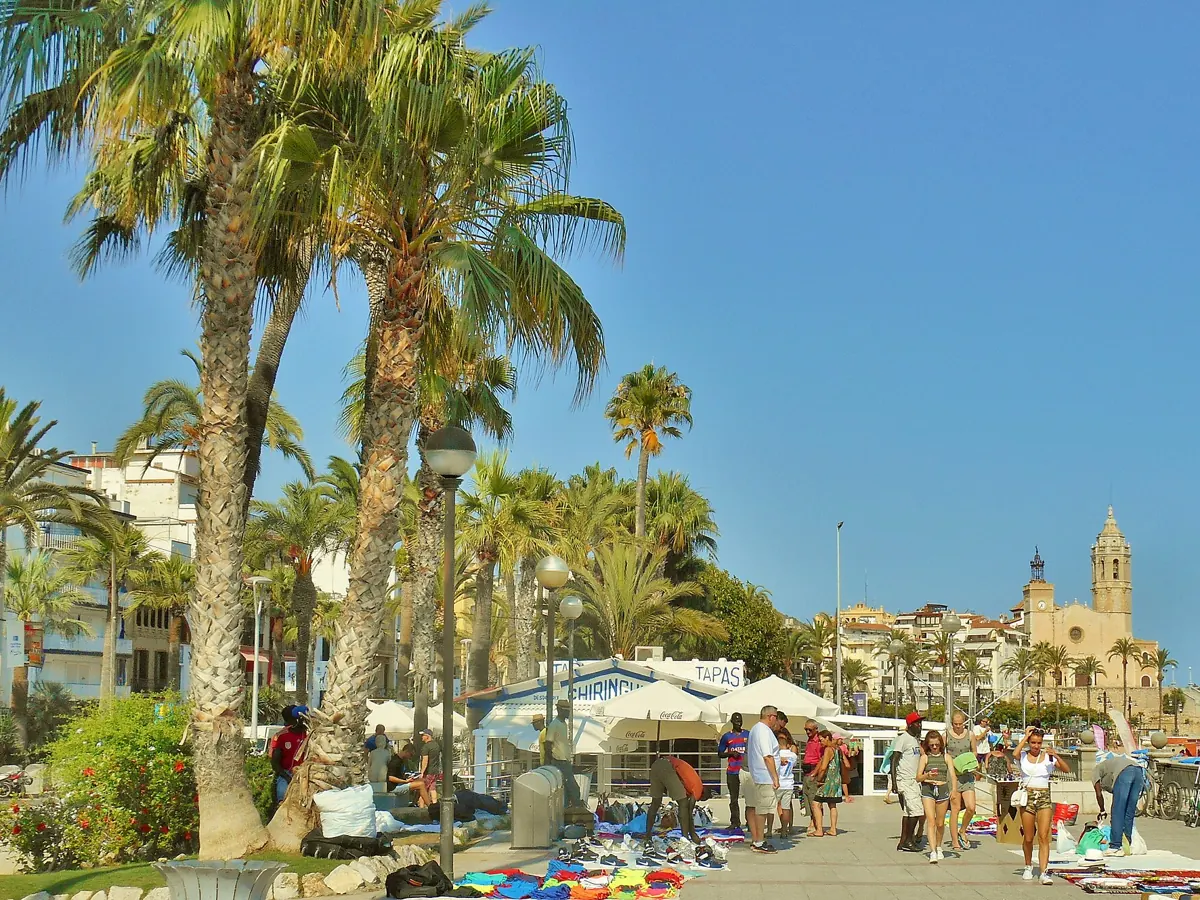
The Sitges seafront promenade, with palm trees, the most central beach and houses built by "indianos" who returned wealthy from the Americas. It's the best area for dining by the sea.
Tip: The streets behind the promenade usually offer more reasonably priced menus than the seafront.
Next stop: 6 min walk (0.5 km)
Day 6 · Afternoon
5. Old Town and Cap de la Vila
Free
Plaça del Cap de la Vila
15:00 · 1 h
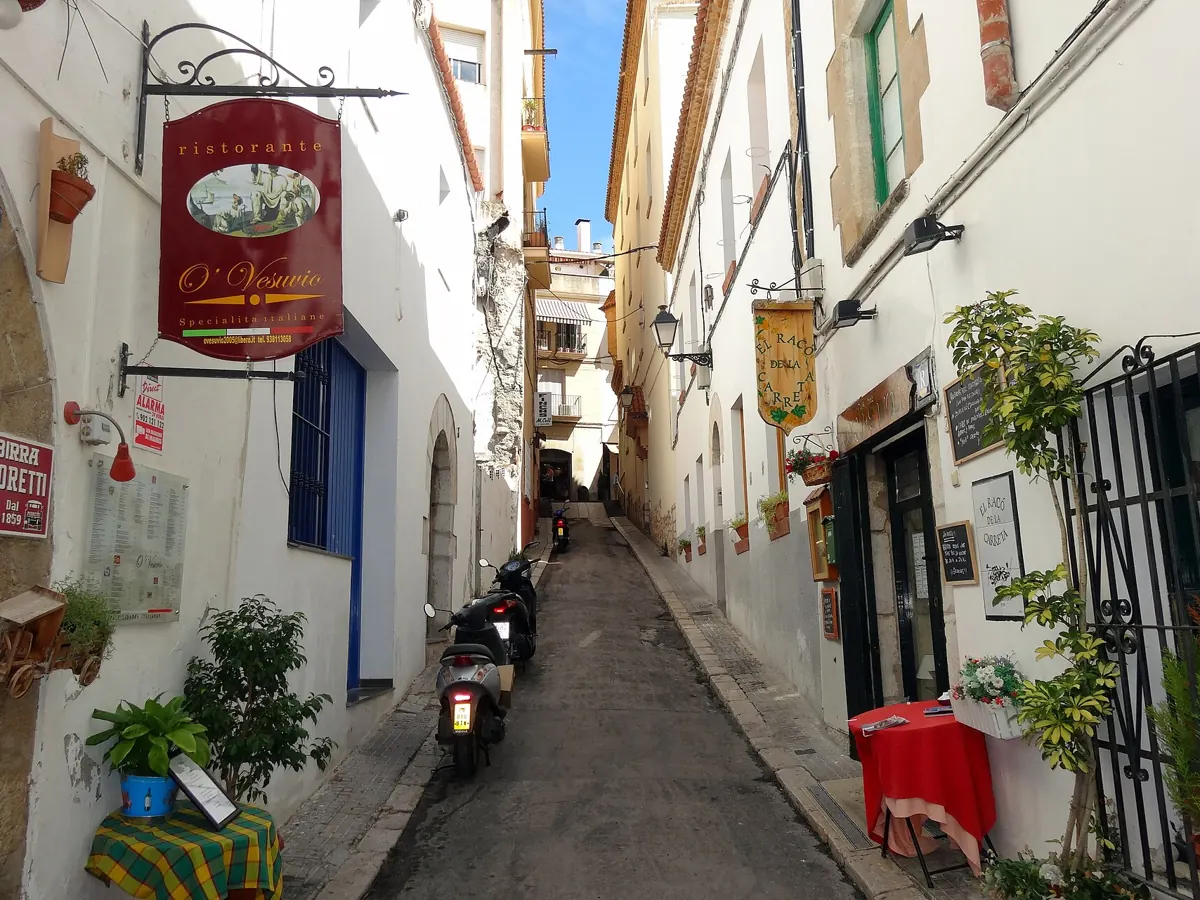
White streets filled with flowers, shops and bars around the Cap de la Vila square. Look out for the "indiano" houses on Sant Gaudenci street and the surrounding area.
Tip: Sitges is famous for its Carnival and its fantastic film festival in October: if your visit coincides, the town changes completely.
Next stop: 7 min walk (0.5 km)
Day 6 · Sunset and night
6. Platja de Sant Sebastià
Free
Passeig de la Platja de Sant Sebastià
At sunset · 45 min
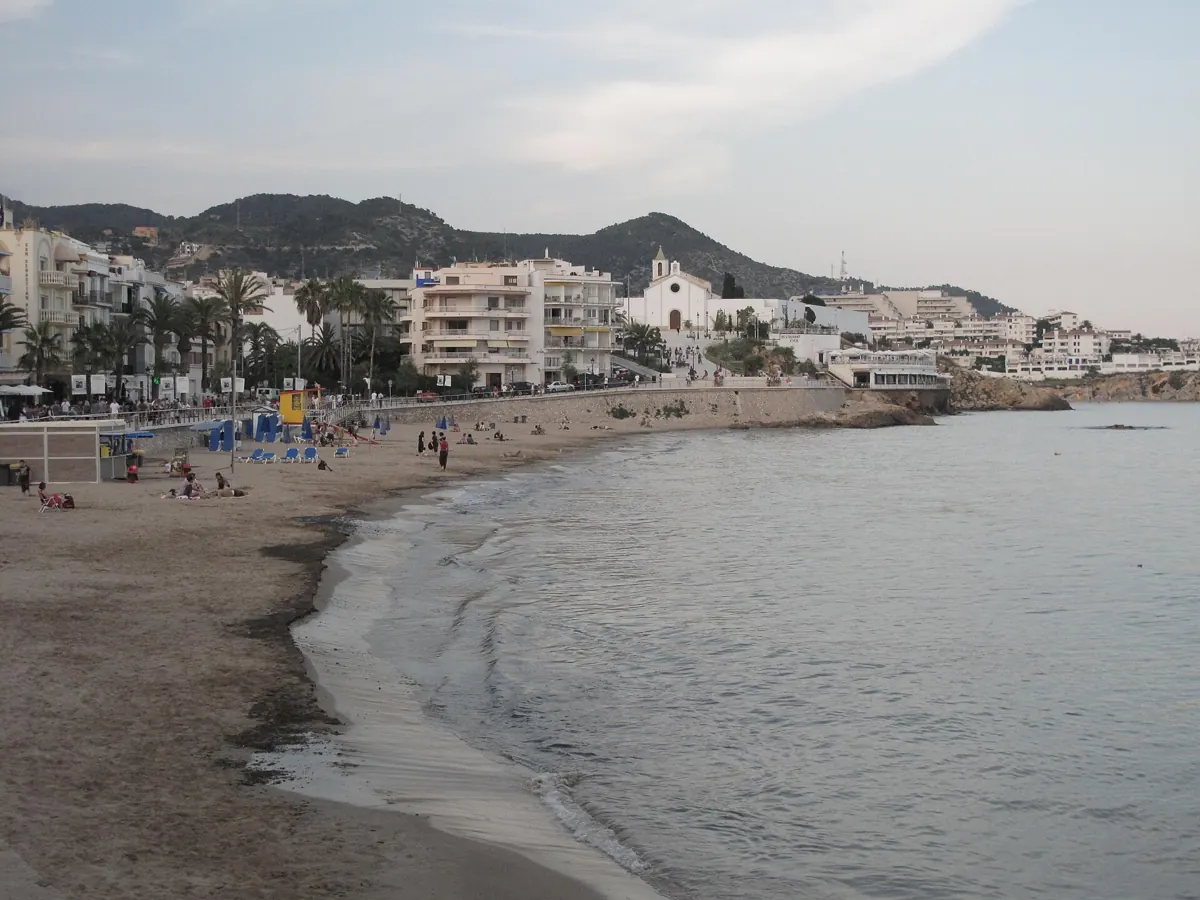
A small beach on the other side of the church, more sheltered and with a local vibe, featuring the silhouette of Sant Bartomeu in the background.
Tip: Check the time of the last train to Barcelona before having dinner.
Day 7
Day Trip to Figueres and the Dalí Museum
The museum that Dalí turned into his last great masterpiece, in his hometown, about an hour away by fast train.
The day at a glance
Day 7 · Morning
1. Departure: Sants Station
Train ticket; check Renfe for fares
Plaça dels Països Catalans
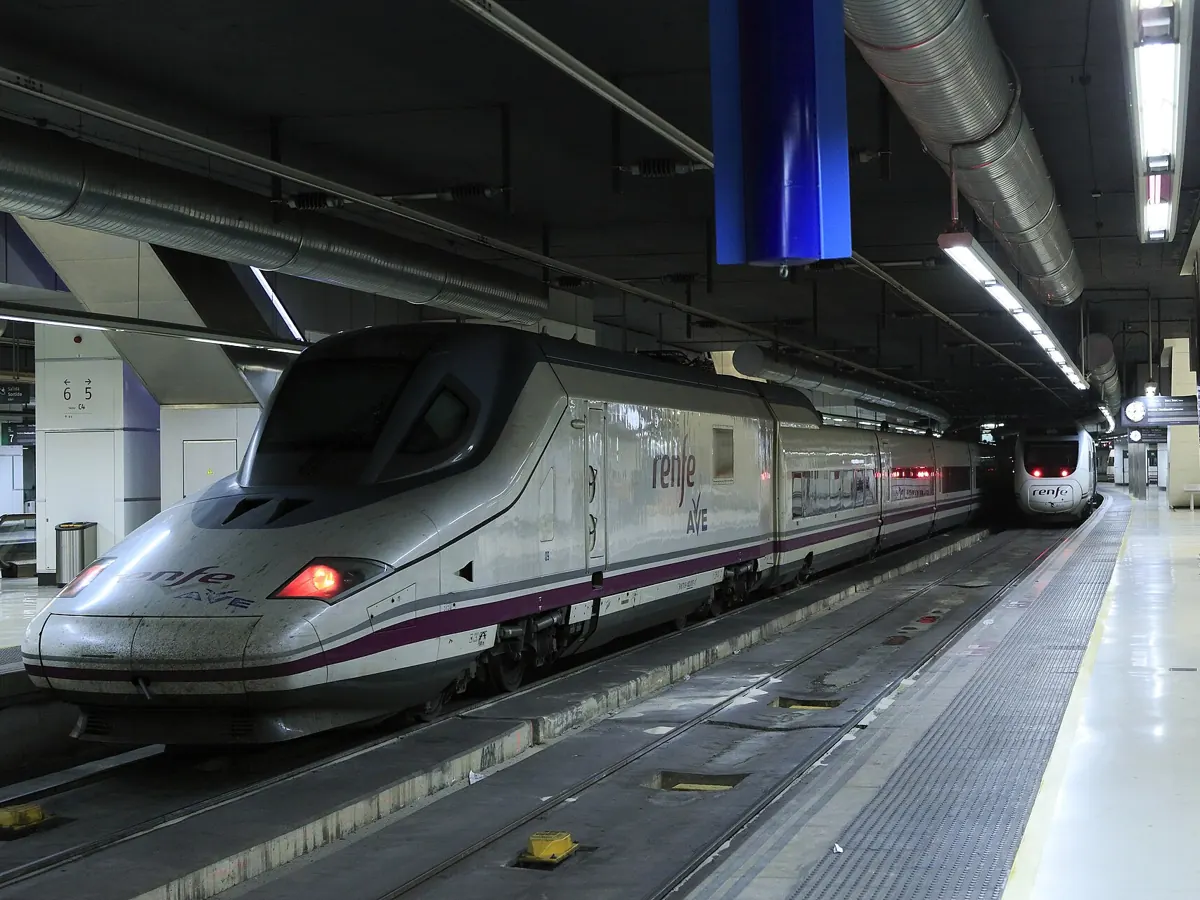
9:00 · Journey
High-speed trains to Figueres-Vilafant, on the outskirts of the city, depart from Sants. Regional trains arrive at the central station, but take considerably longer.
Tip: From Figueres-Vilafant to the centre is about a 20-minute walk or a local bus ride. Buy your train ticket in advance from Renfe.
Next stop: High-speed train to Figueres-Vilafant, about 1 h, and a 20 min walk to the museum
2. Teatre-Museu Dalí
Paid entry; check prices on their website
Plaça de Gala i Salvador Dalí, 5
10:30 · 2 h
Best to book a timed ticket
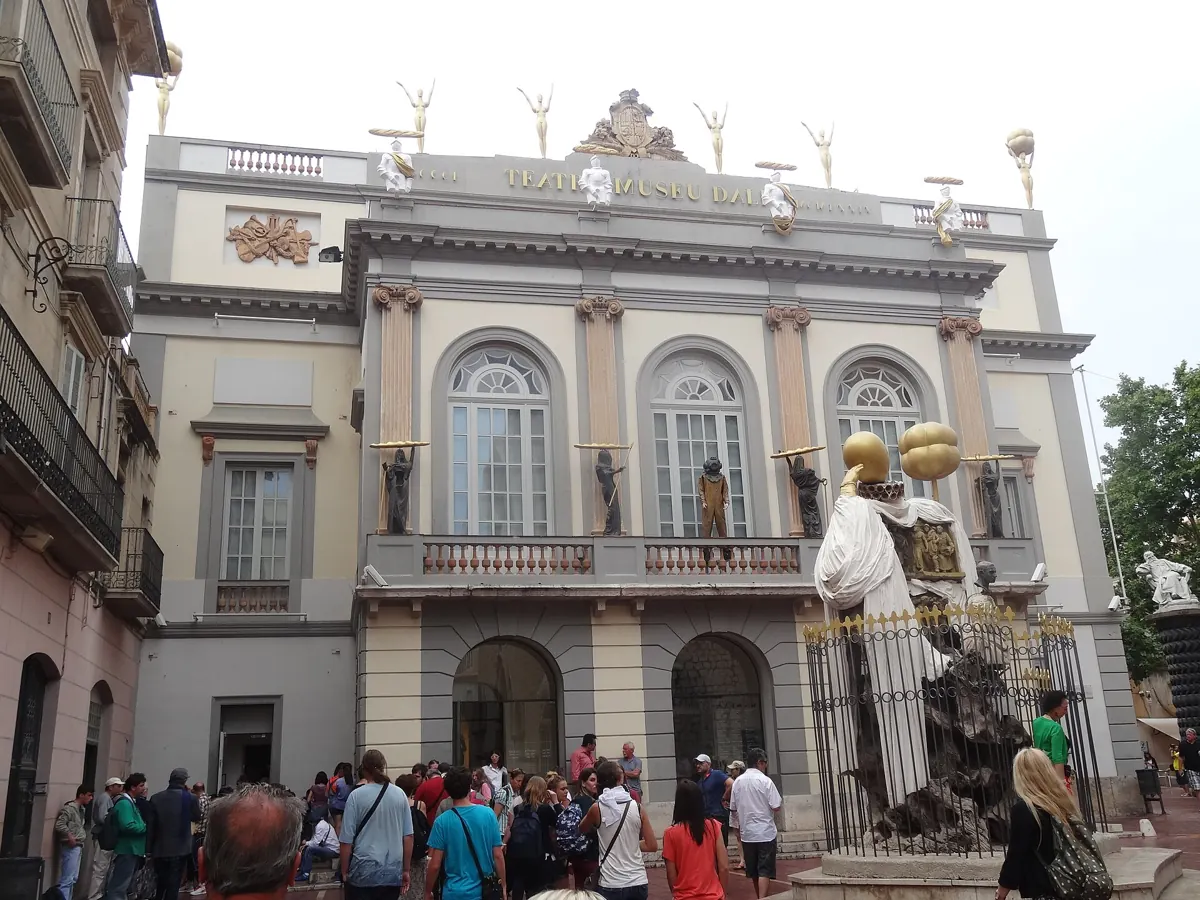
Dalí built his museum on the ruins of the theatre where he exhibited as a young man: a glass dome, giant eggs on the roof and rooms full of visual illusions. He is buried here himself.
Tip: Buy a timed-entry ticket on their website and check the closing days, which change depending on the season. The same ticket usually includes the Dalí Jewels exhibition next door.
Next stop: 3 min walk (0.2 km)
Day 7 · Midday
3. La Rambla de Figueres
Free
La Rambla
13:00 · 1 h 30 min
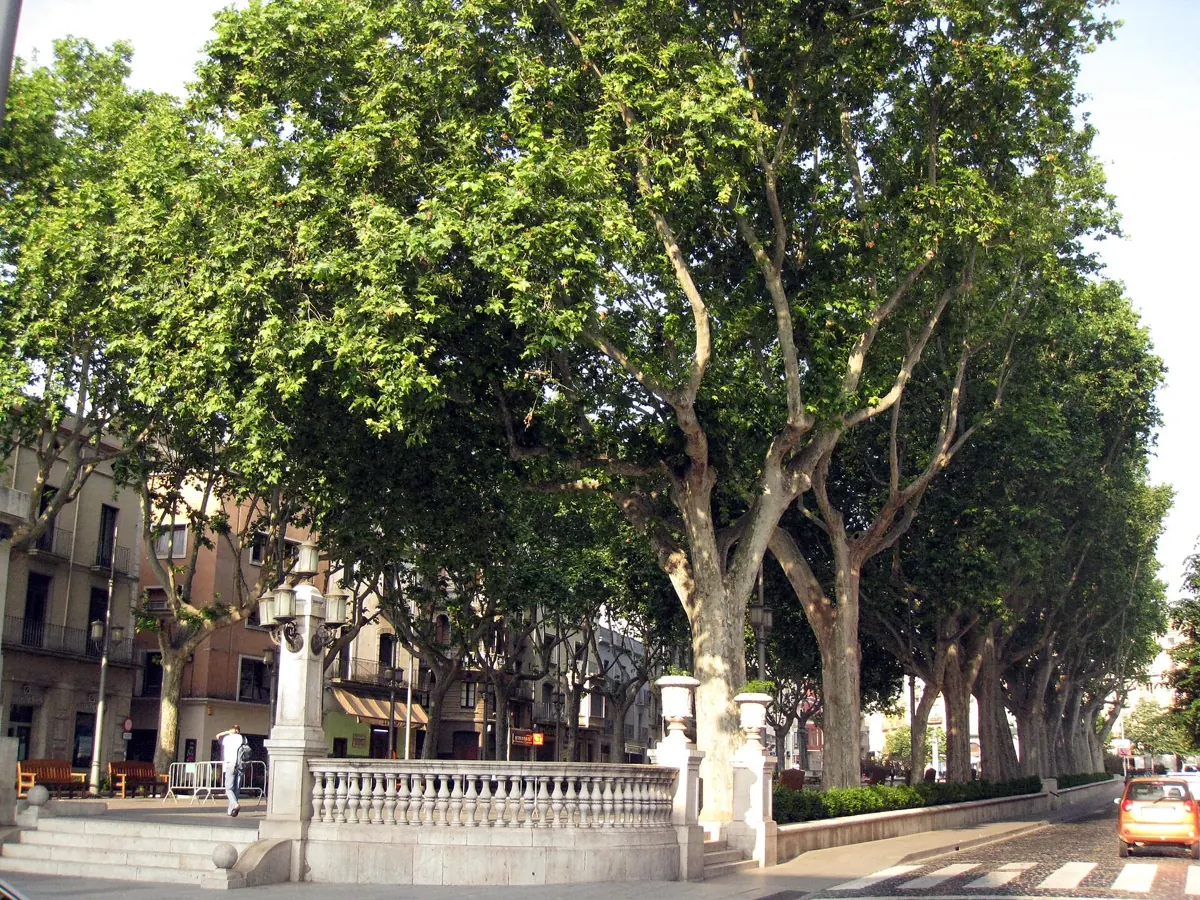
The city's central promenade, with terraces shaded by plane trees. It's the natural spot for lunch after the museum.
Tip: The Museu del Joguet, one of the most comprehensive toy museums in Spain, is also on the Rambla if you are travelling with children.
Next stop: 22 min walk (1.7 km)
Day 7 · Afternoon
4. Castell de Sant Ferran
Paid entry; check prices on their website
Pujada del Castell
15:30 · 1 h 30 min
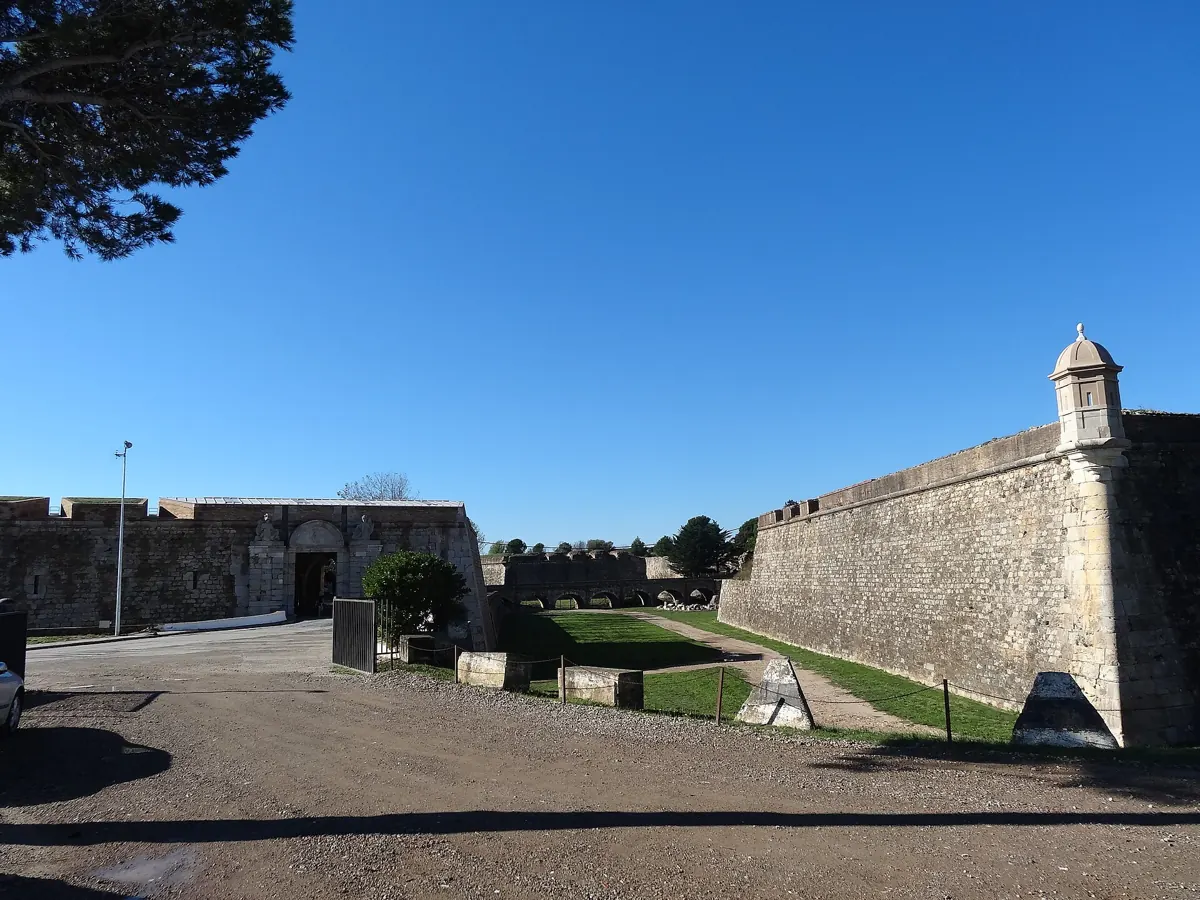
One of the largest bastioned fortresses in Europe, dating from the 18th century, with kilometres of walls and enormous stables. You'll see very few people here compared to the museum.
Tip: It's situated on a hill, about a 20-minute walk from the Rambla. Check their website for opening hours and guided tours.
If you have time to spare
- Costa Brava. Tossa de Mar, Calella de Palafrugell or Cadaqués, ideal by car or by bus from Estació del Nord.
- Bunkers del Carmel. The viewpoint with the best view of the city. Free; best at sunset.
- Casa Vicens and Picasso Museum. If a day trip isn't enough, here are two visits for an afternoon in the city.
More itineraries in Barcelona
Photos from Wikimedia Commons: Sagrada Família (Julian Lupyan, CC0); La Pedrera (Casa Milà) (Thomas Ledl, CC BY-SA 4.0); Casa Batlló and the Mansana de la Discòrdia (Bernard Gagnon, CC BY-SA 3.0); Plaça de Catalunya and La Rambla (Sunnya343, CC BY-SA 4.0); Mercat de la Boqueria (Didier Descouens, CC BY-SA 4.0); Barri Gòtic: Cathedral, Sant Felip Neri and Plaça del Rei (Joe Mabel, CC BY-SA 4.0); El Born and Santa Maria del Mar (Kent Wang, CC BY-SA 4.0); La Barceloneta and the Seafront (subherwal from London, United Kingdom, CC BY 2.0); Park Güell (Danbu14, CC BY-SA 3.0); Casa Vicens (Joe Mabel, CC BY-SA 4.0); Gràcia: Plaça del Sol and Plaça de la Vila (KRLS, CC BY-SA 4.0); Fundació Joan Miró (ca:user:amadalvarez, CC BY-SA 3.0); Mirador del Palau Nacional (MNAC) (Felix König, CC BY 3.0); Font Màgica and Plaça d'Espanya (Ronny Siegel, CC BY-SA 4.0); Sant Pau Recinte Modernista (Jesús Arpón, CC BY-SA 3.0); Palau de la Música Catalana (Tudoi61, CC BY-SA 4.0); Mercat de Santa Caterina (Tony Hisgett from Birmingham, UK, CC BY 2.0); Arc de Triomf and Parc de la Ciutadella (Isiwal, CC BY-SA 3.0); Port Olímpic and Frank Gehry's Peix (Till Niermann, CC BY-SA 3.0); Platja del Bogatell (Jordiferrer, CC BY-SA 3.0); Rambla del Poblenou (Xavier Badia i Castellà, CC BY-SA 3.0); Departure: Plaça d'Espanya Station (FGC) (Felix König, CC BY 3.0); Montserrat Monastery and Basilica (Orlith1, CC BY-SA 4.0); Santa Cova Path (Bernard Gagnon, CC BY-SA 3.0); Departure: Sants Station (Falk2, CC BY-SA 4.0); Pont de les Peixateries Velles and the Onyar Houses (Tallaferro, CC BY 2.5); El Call and Carrer de la Força (Plomaesmolada, CC0); Girona Cathedral (Richard Mortel from Riyadh, Saudi Arabia, CC BY 2.0); Banys Àrabs (Emvallmitjana, CC BY-SA 3.0 es); Paseo de la Muralla (Yearofthedragon, CC BY-SA 3.0); Departure: Passeig de Gràcia Station (Rodalies) (Txllxt TxllxT, CC BY-SA 4.0); Sant Bartomeu i Santa Tecla (G.M. Kowalewska, CC BY 3.0); Museu del Cau Ferrat and Maricel (MARIA ROSA FERRE ✿ from Vilafranca del penedes, Catalunya, CC BY-SA 2.0); Paseo de la Ribera (Enrique Íñiguez Rodríguez, CC BY-SA 4.0); Old Town and Cap de la Vila (Mikhail Deynekin, CC BY-SA 3.0); Platja de Sant Sebastià (Enfo, CC BY-SA 3.0); Departure: Sants Station (Falk2, CC BY-SA 4.0); Teatre-Museu Dalí (Jordiferrer, CC BY-SA 4.0); La Rambla de Figueres (Enfo, CC BY-SA 3.0); Castell de Sant Ferran (EliziR, CC BY-SA 3.0).